
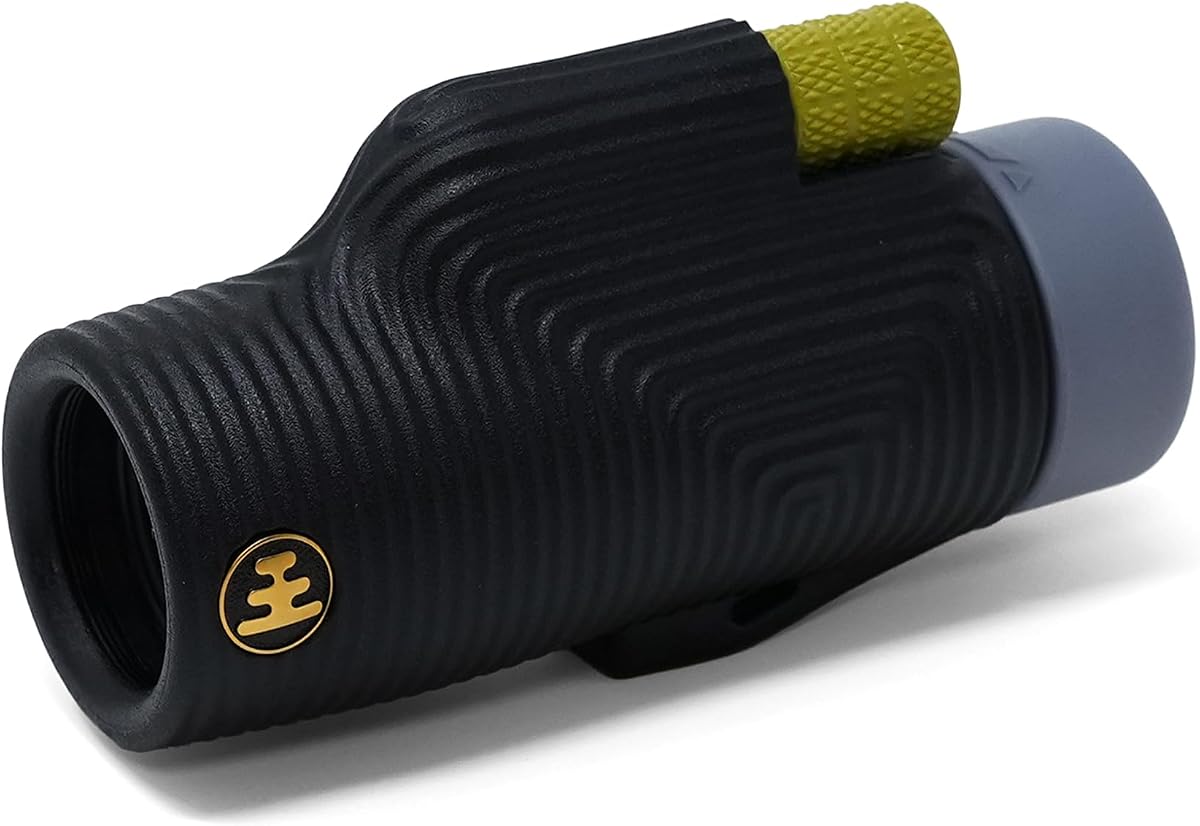
Nocs Provisions Zoom Tube 8×32 Monocular
4.6Editor score
Compact Lightweight Design
Swiss Bak4 Prism
Ergonomic Grip
This guide compares the top ten birding monoculars for clarity, portability, and durability to help you choose the best optical tool for watching birds.
Birding monoculars offer a compact alternative to binoculars for wildlife observation. They provide high magnification in a small package that fits easily into pockets or small bags while delivering clear views of distant subjects.
We compared ten real products based on optics quality, build durability, and portability features. Each item was evaluated for its suitability in bird watching scenarios where weight and clarity matter most for outdoor enthusiasts.
Each pick shows specific strengths like waterproofing or smartphone compatibility. Prices change frequently so check current listings before buying to ensure you get the best value for your budget today.
4.6Editor score
4.6Editor score
4.6Editor score
This side by side comparison lists all ten products with their key specifications. Review the image and details for each item to find the monocular that best matches your specific birding needs.
This monocular offers a straightforward solution for casual bird watchers. It provides a decent magnification level suitable for spotting birds in trees or across fields. The design prioritizes ease of use and portability for short outdoor sessions.
We may earn a commission when you buy through this link, at no additional cost to you.
The optical system delivers a clear view of distant objects without excessive distortion. The focusing mechanism allows you to adjust quickly to changing distances. Its lightweight body ensures you can hold it steady for extended periods.
The main trade off is the lack of weather sealing which limits use in rain. The materials feel standard rather than rugged compared to higher end models. It is best suited for fair weather conditions and occasional use.
This product is ideal for beginners or those needing a spare optic for trips. It delivers value for the price without unnecessary complexity. If you want a simple tool for daily observation this fits the bill well.
Its small size allows it to fit into a pocket or small bag for easy access during hikes.
The lens coating provides sufficient clarity for identifying shapes and colors of birds at moderate distances.
We may earn a commission when you buy through this link, at no additional cost to you.
This model focuses on image quality through multi coated optics. The lens treatment helps reduce glare and increase brightness in low light conditions. It is a solid choice for birders who prioritize visual clarity over extreme portability.
We may earn a commission when you buy through this link, at no additional cost to you.
The rubber armor provides a secure grip even when your hands are slightly wet or cold. It also protects the device from minor bumps during travel. The close focus feature allows you to inspect flowers or insects nearby.
The weight is a bit higher than ultra compact options which might tire your hand over time. Waterproofing is limited so it is not safe for heavy rain. Users should take care to avoid submersion.
Buy this if you want better optics in a mid range option. It balances performance and durability well for general outdoor use. The protective armor makes it suitable for rugged environments like forests.
The multi coating on the lens elements ensures that light passes through efficiently for a brighter image.
The rubber coating on the outside prevents slipping when holding the monocular in one hand for long periods.
We may earn a commission when you buy through this link, at no additional cost to you.
This monocular is built to withstand harsh weather conditions with full waterproofing. It uses nitrogen purging to prevent internal fogging when temperatures change rapidly. This feature is crucial for early morning or late evening birding.
We may earn a commission when you buy through this link, at no additional cost to you.
The field of view is wide allowing you to track moving birds more easily. High magnification helps you see details like feather patterns and beak shapes clearly. It is a robust tool for serious observers.
The extra durability adds some weight and bulk which might be noticeable on long hikes. You will need a larger carrying case to protect it. It is not the lightest option for backpacking.
Choose this if you often bird in variable weather or wet environments. The reliability of the seal gives peace of mind during storms. It is a strong candidate for those needing a durable optic.
The sealed housing keeps moisture out ensuring the lens remains clear even in humid or rainy conditions.
Nitrogen purging inside the tubes stops condensation from forming when the outside temperature drops suddenly.
We may earn a commission when you buy through this link, at no additional cost to you.
This unit utilizes a BAK4 prism system which improves light transmission and edge clarity. It offers a reliable viewing experience for general wildlife observation. The focus ring is smooth and allows precise adjustments quickly.
We may earn a commission when you buy through this link, at no additional cost to you.
The included strap helps distribute weight when carrying the device around your neck. It prevents accidental drops while you are walking through uneven terrain. The design is ergonomic enough for short to medium sessions.
Lack of weather resistance means you must avoid using it in the rain. The weight is average so it may not be the lightest choice for ultralight hikers. It is a standard option without special features.
It works well for casual users who need a dependable optic for most days. The prism quality ensures sharp images without heavy distortion. Consider this if you prioritize optical clarity over extreme durability.
The BAK4 prism material reflects light efficiently to produce a bright and sharp image with minimal color fringing.
The adjustment ring on the barrel allows you to fine tune the sharpness of the image with a simple turn.
We may earn a commission when you buy through this link, at no additional cost to you.
This monocular is engineered to resist shocks and impacts during active use. It is a good choice for those who might drop their gear occasionally. The clear image output ensures you do not miss details in the field.
We may earn a commission when you buy through this link, at no additional cost to you.
The portable size makes it convenient to take on any adventure without burdening your pack. It balances durability with ease of use. The rubber coating adds comfort and grip when holding it.
It does not have advanced weather sealing so heavy rain could be problematic. The lens coating is standard which means it might not perform as well in low light as premium models. It is a practical daily tool.
Buy this if you need a tough monocular for rough environments. The shock resistance protects your investment from accidental bumps. It is suitable for family outings or casual birding trips where durability matters.
The housing is reinforced to absorb impacts so the optical internals remain aligned after minor drops.
The textured rubber on the outside provides a secure hold even when wearing gloves in cold weather.
We may earn a commission when you buy through this link, at no additional cost to you.
This product features advanced lens coating technology to improve light and reduce glare. It provides a bright view even in shaded areas or under tree cover. The adjustable eye relief is a nice touch for comfort.
We may earn a commission when you buy through this link, at no additional cost to you.
The durable housing protects the internal optics from wear and tear over time. It can withstand the rigors of regular use in the field. The design feels sturdy and reliable in hand.
The field of view is average which might make tracking fast birds harder. The weight is not negligible so holding it for long periods could be tiring. It is a solid performer for stationary observation.
Consider this if you want reliable optics for general bird watching. The eye relief makes it accessible for many users. It is a dependable option for those seeking clarity and build quality.
Specialized coatings on the lens surfaces maximize the amount of light that reaches your eye for a brighter picture.
The distance from the eyepiece to your eye is adjustable so eyeglass wearers can find a comfortable position.
We may earn a commission when you buy through this link, at no additional cost to you.
This monocular is designed to capture light efficiently for use at dawn or dusk. The grip texture ensures that you maintain control even in slippery conditions. It simplifies the birding experience with straightforward controls.
We may earn a commission when you buy through this link, at no additional cost to you.
The light gathering power is high allowing you to see birds in lower light levels. The lens cap protects the front element from dust and scratches when not in use. It is a practical tool for daily trips.
It lacks weather sealing which limits its use in wet conditions. The focus mechanism is basic and may require frequent adjustment. It is best used for clear days and standard viewing scenarios.
Select this if you need an easy to use optic for general tasks. The light capture makes it versatile for different times of day. It is a good value for casual observers.
The lens diameter allows more light to enter the system resulting in clearer images during twilight hours.
The surface is textured to prevent slipping ensuring the device stays in your hand during movement.
We may earn a commission when you buy through this link, at no additional cost to you.
This monocular uses a classic 10×40 specification that is familiar to many users. It offers a balance of magnification and light gathering that works well for general purpose. The center focus wheel is intuitive and quick to adjust.
We may earn a commission when you buy through this link, at no additional cost to you.
The neck strap makes it easy to carry around your neck when walking. It is a lightweight design compared to larger binoculars. The classic design means it is a proven solution for basic needs.
Modern options are often lighter and more compact which might make this feel bulky. The build quality is basic and may not withstand heavy abuse. It is a functional tool for occasional use.
Buy this if you prefer a traditional optic without complex features. The 10×40 ratio is a reliable choice for many birders. It is a practical starting point for new observers.
The 10 times magnification allows you to see details clearly while maintaining a stable view.
The center wheel lets you adjust focus smoothly to match the distance of your subject accurately.
We may earn a commission when you buy through this link, at no additional cost to you.
This monocular stands out for its fully multi coated optics and compact design. It offers superior clarity and brightness with a Swiss designed Bak4 prism. The IPX4 water resistance ensures you can use it in rain or snow.
We may earn a commission when you buy through this link, at no additional cost to you.
The ultra portable design weighs only 9.5 ounces which makes it easy to carry for long hikes. The rugged wave grip ensures it does not slip in your hand. It is perfect for backpacking and travel.
While the price is higher than basic models the lifetime warranty and build quality justify the cost. The zoom range is limited compared to high power scopes but sufficient for most birding. It balances performance and portability well.
We recommend this for serious birders who need reliability and clarity. The smartphone photography feature adds versatility for documenting sightings. It is a top choice for outdoor enthusiasts seeking a high end monocular.
Fully multi coated lenses ensure light passes through efficiently for bright and clear views at any distance.
The lightweight construction allows you to carry it all day without fatigue while maintaining high performance.
We may earn a commission when you buy through this link, at no additional cost to you.
This monocular delivers premium performance with a rugged wave grip and multi-stop eyecup. It provides bright crisp views even in challenging conditions thanks to its coated optics. The tripod adapter allows for steady viewing when needed.
We may earn a commission when you buy through this link, at no additional cost to you.
The ultra portable design ensures you can take it anywhere without bulk. The IPX4 rating means rain or fog will not hinder your observation. It is built to withstand the demands of outdoor adventures.
The warranty offers peace of mind ensuring your investment is protected over time. It is priced higher than average models but the quality justifies the expense. It is an excellent tool for dedicated birders.
Buy this if you want the best combination of clarity and convenience. The ergonomic design fits well in hand for comfortable use. It is a top tier option for those who prioritize quality.
The multi-stop eyecup adjusts to fit glasses or naked eyes for a customized viewing experience.
The built-in tripod adapter allows you to mount the device for shake-free long duration viewing.
We may earn a commission when you buy through this link, at no additional cost to you.
Selecting the right monocular involves evaluating several key factors to ensure it meets your needs in the field. This section breaks down what matters most when comparing different models.
Magnification determines how close the subject appears while the objective lens size dictates how much light enters. Higher magnification can make images shaky so a balance is key for handheld use.
Look for standard sizes like 8×32 or 10×40 which offer a good mix of detail and light gathering for most birders.
Fully multi coated lenses reduce glare and increase brightness significantly compared to single coated options. This is essential for seeing details in low light or shaded areas.
Always prioritize models with fully multi coated optics for the clearest image possible during your outings.
Waterproofing ensures the device can handle rain and humidity without damage. Fog resistance is achieved through nitrogen purging which prevents internal condensation.
Choose a model with IPX4 rating or higher if you plan to bird in unpredictable weather conditions often.
A lighter monocular is easier to carry for long hikes and reduces hand fatigue over time. Portability is critical if you need to fit it into a small pocket or bag.
Aim for a device under 10 ounces if you plan to use it frequently while walking or traveling.
An ergonomic design with a textured grip prevents slipping and improves stability during observation. This is important when holding the device for extended periods.
Check for rubber armor or wave grip designs to ensure a comfortable and secure hold in your hand.
A wider field of view makes it easier to track fast moving birds across the sky or through trees. It allows you to spot subjects before you look directly at them.
Prioritize models with a field of view over 300 feet at 1000 yards for active birding sessions.
A strong warranty indicates manufacturer confidence and protects your investment against defects. Durability features like impact resistant housing are vital for outdoor use.
Look for lifetime warranties or generous return policies to ensure long term satisfaction with your purchase.
Compatibility with smartphone adapters lets you capture images easily through the monocular. Tripod threads provide steady viewing for detailed observation without shake.
Choose a model with a standard tripod mount if you intend to take photos or stabilize your view often.
To use your monocular, hold it firmly in one hand and align the eyepiece with your eye. Adjust the focus wheel until the image appears sharp and clear. This ensures you get the best possible view of the bird.
Clean the lenses with a soft cloth designed for optics to remove dust or smudges. Avoid using harsh chemicals or rough materials that could scratch the coating. Proper cleaning extends the life of your device.
Store the monocular in a protective case when not in use to prevent damage. Keep it in a dry place to avoid moisture build up. Regular maintenance ensures it performs well when you need it most.
A monocular has one eyepiece while binoculars have two. Monoculars are smaller and lighter which makes them easier to carry for hiking. Binoculars offer depth perception which can be useful for judging distance.
Yes if you often bird in rainy or humid environments. Waterproof models protect the internal optics from fog and moisture damage. They are a reliable investment for consistent performance in any weather.
Use a microfiber cloth specifically meant for optical glass. Gently wipe away dust starting from the center and moving outward. Do not use tissue or your shirt as these can scratch the coating.
Yes many monoculars have adjustable eye relief to accommodate glasses. Look for a model with a longer eye relief distance for comfort. This ensures you can see the full field without removing your glasses.
8x or 10x is typically ideal for birding. Higher magnification can make the image shaky without a tripod. Stick to 10x or less for handheld stability and clarity.
Quality monoculars range from 8 to 14 ounces. Lighter models are better for hiking but heavier ones may have better optics. Aim for under 10 ounces for portability without sacrificing clarity.
They can work for bright objects like the moon but binoculars are better for wide star fields. Monoculars are better for detail on specific targets. They are not optimized for low light astronomy.
It is useful for long observation sessions but not required for casual use. A tripod stabilizes the image which helps with high magnification. It is a helpful accessory for serious birders.
We reviewed ten options ranging from budget to premium models. The Nocs Provisions Zoom Tube stands out for its optical quality and portability. It balances features well for most outdoor enthusiasts.
Prioritize waterproofing and optics quality when choosing. These factors ensure you get a clear image in various conditions. A lightweight design helps you carry it longer without fatigue.
Prices vary so check current listings before buying. Verify specifications to ensure the model meets your needs. The best choice depends on your specific usage and budget constraints.