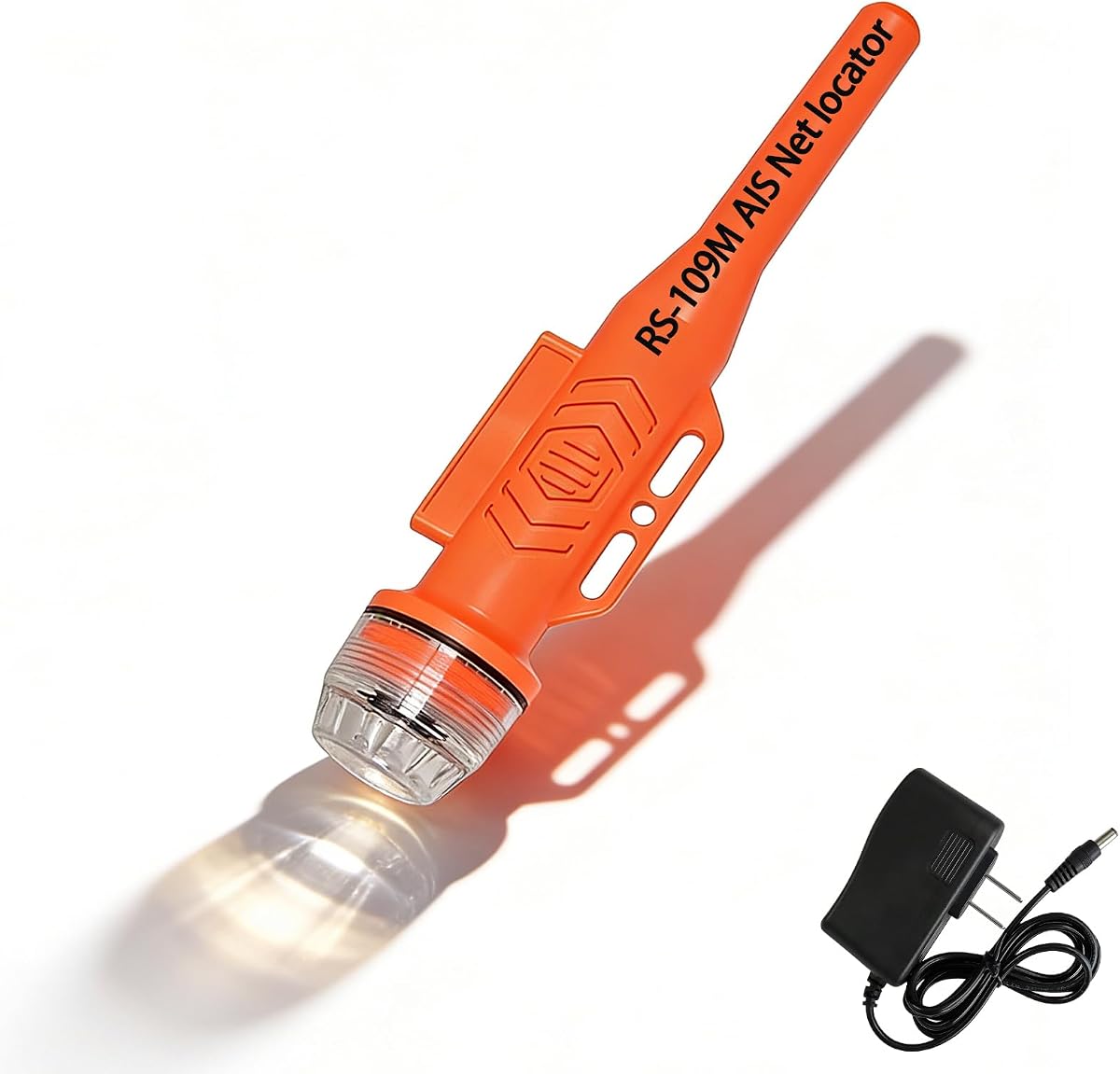
RS-109M Marine Net Locator
4.0Editor score
IPX7 waterproof design
Two week battery life
Ten nautical mile range
Automatic Identification Systems are essential for modern maritime safety, allowing vessels to broadcast and receive critical data. Selecting the right transponder ensures compliance and enhances visibility in busy waterways.
We evaluated ten top-rated models based on functionality, range, and integration capabilities. Our analysis covers Class A and Class B units along with personal beacons for comprehensive coverage.
Each selection highlights unique features and performance traits to guide your investment. Prices fluctuate frequently so verify current listings before purchasing to secure the best deal available.
4.0Editor score

4.5Editor score
4.5Editor score
As an Amazon Associate we earn from qualifying purchases.
The following table provides a side-by-side overview of all ten featured products to help you quickly identify the best fit for your specific maritime needs.



The Icom MA-510TR stands out as a versatile transponder designed for modern marine safety. It combines a vibrant four point three inch display with essential navigation features to keep crews informed.
We may earn a commission when you buy through this link, at no additional cost to you.
Its integrated GPS and NMEA compatibility allow seamless integration with existing onboard systems. The unit also supports DSC calling when paired with compatible VHF radios for enhanced communication capabilities.
While the price point is higher than basic units the extensive feature set justifies the investment. Silent mode ensures secure operations when visibility is a priority in restricted waters.
This model is ideal for commercial or recreational vessels needing reliable tracking and collision avoidance. It represents a balanced choice for those prioritizing functionality and display quality.
The four point three inch color screen ensures clear visibility of traffic data even in bright sunlight.
Built-in collision and anchor watch alarms provide critical alerts to prevent potential maritime incidents.
We may earn a commission when you buy through this link, at no additional cost to you.
The EM-TRAK B921 offers a robust Class B solution for vessels requiring basic identification and tracking. Its dual transmitter and receiver capabilities ensure bidirectional communication with other maritime users.
We may earn a commission when you buy through this link, at no additional cost to you.
Designed with a flexible power input it accommodates both twelve and twenty four volt systems making it suitable for diverse boat types. The standard housing provides a durable mount for marine environments.
While specific advanced features are not extensively detailed its core functionality supports reliable AIS operations. It serves well for boats needing straightforward compliance without complex navigation integrations.
This unit is best suited for smaller craft where essential tracking is the primary goal. It provides a solid foundation for safety communication on open waters.
Supporting twelve and twenty four volt inputs allows installation on a wider range of vessel electrical systems.
As both a transmitter and receiver it ensures full participation in the AIS network for safety.
We may earn a commission when you buy through this link, at no additional cost to you.
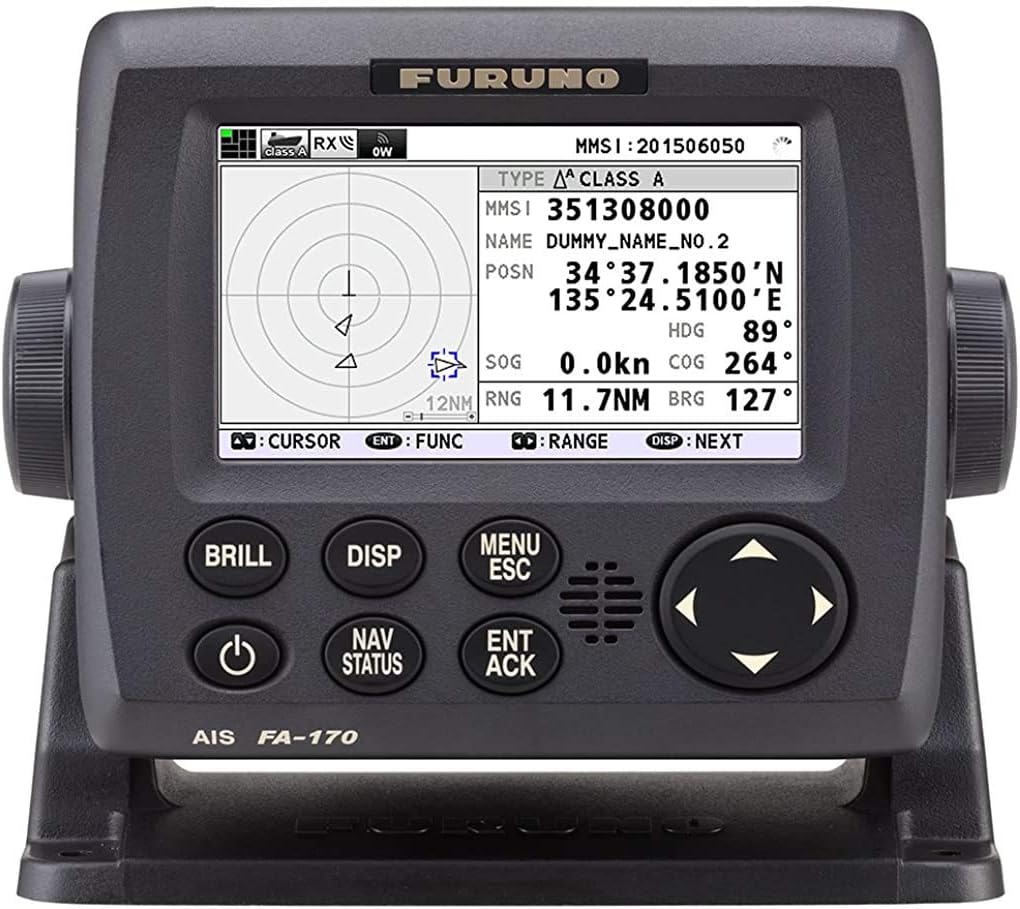
The Furuno FA170 represents the pinnacle of professional AIS technology for commercial and large recreational vessels. It features a powerful Class A transponder capable of storing thousands of targets simultaneously.
We may earn a commission when you buy through this link, at no additional cost to you.
Its extensive port selection including LAN allows for deep integration with complex navigation networks. The dangerous target list feature actively flags high-risk vessels providing proactive collision avoidance support.
Due to its advanced capabilities the unit commands a premium price and requires technical setup. It is designed for environments where maximum situational awareness is critical for safety and compliance.
For operators managing large fleets or complex shipping routes this model offers unmatched performance. It ensures that no potential hazard goes unnoticed during long voyages.
Storing over two thousand targets ensures comprehensive historical data analysis for route planning and safety.
The dangerous target list automatically identifies vessels on collision courses to alert crew immediately.
We may earn a commission when you buy through this link, at no additional cost to you.
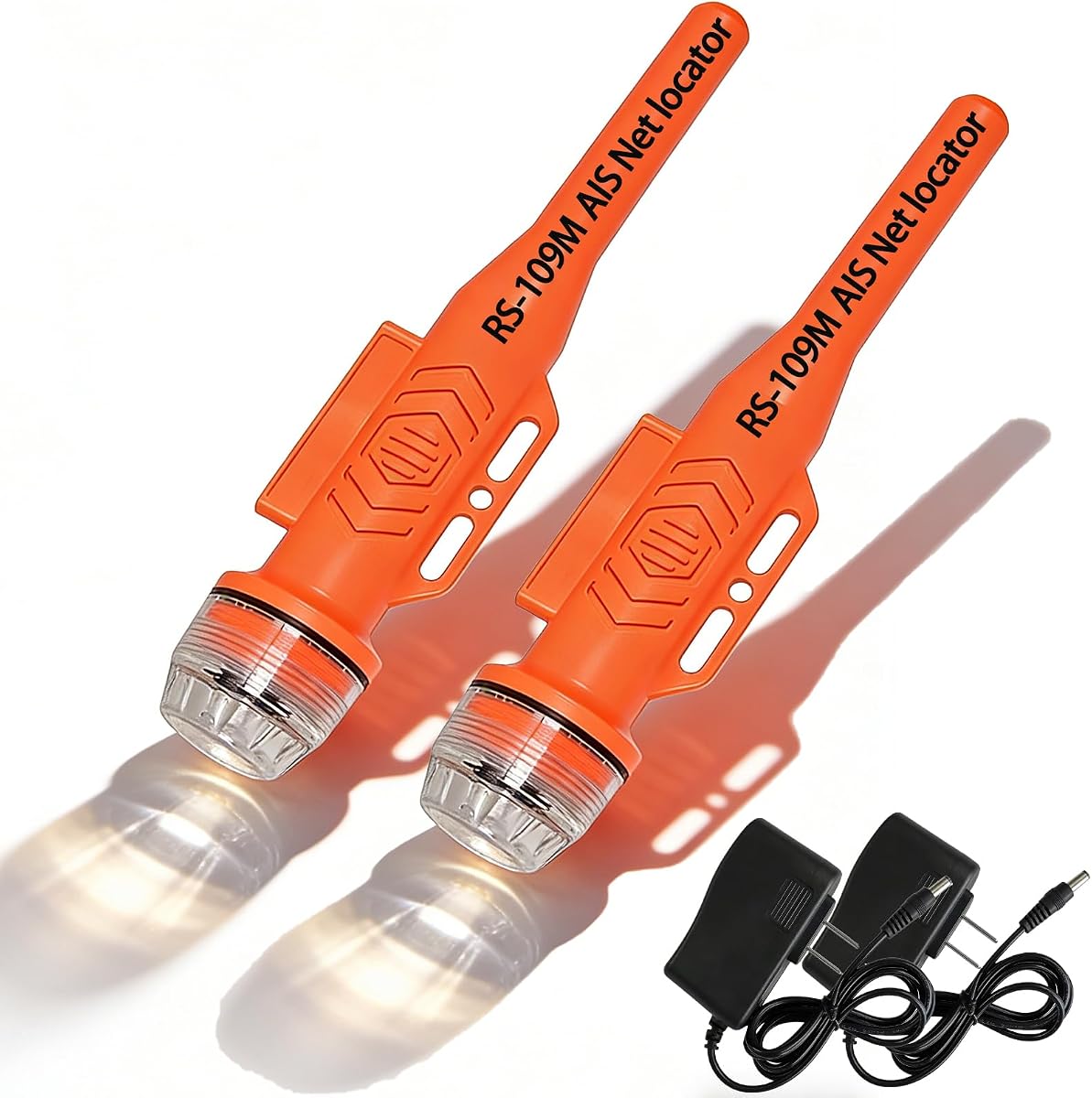
The RS-109M 2Pack offers an affordable way to track fishing nets or buoys with precision. It transmits both positioning data and battery levels directly to onboard receivers for easy management.
We may earn a commission when you buy through this link, at no additional cost to you.
Built to withstand harsh conditions this unit meets IPX7 waterproof standards ensuring reliable performance even when submerged. The high sensitivity GPS module provides quick updates for accurate retrieval.
While primarily designed for buoys its range and durability make it a versatile choice for specialized tracking needs. The two pack configuration allows for simultaneous monitoring of multiple items at sea.
This tracker is ideal for anglers who need to locate lost equipment efficiently. It balances cost and functionality well for specific fishing operations.
Real time battery level transmission prevents surprise power failures during extended deployment periods.
A ten nautical mile range ensures coverage across most coastal fishing grounds and open water zones.
We may earn a commission when you buy through this link, at no additional cost to you.
This Raymarine bundle combines a VHF radio with AIS capabilities to streamline marine communication systems. It offers a fixed mount configuration suitable for permanent installation on vessel bridges.
We may earn a commission when you buy through this link, at no additional cost to you.
Designed as part of the Raymarine ecosystem the unit ensures compatibility with other navigation displays and accessories. This integration simplifies setup and reduces the need for separate wiring runs.
The five star rating reflects high customer satisfaction with its reliability and performance. It serves as an all-in-one solution for captains wanting to upgrade their station efficiently.
Ideal for Raymarine owners this bundle provides a cohesive user experience across all systems. It effectively merges voice communication and visual traffic data into one setup.
Bundling VHF and AIS reduces clutter and simplifies the wiring process for new boat installations.
Using Raymarine specific accessories ensures optimal performance and compatibility with existing chart plotters.
We may earn a commission when you buy through this link, at no additional cost to you.
The ACR RESQLINK AIS is a specialized beacon designed for individual marine safety and rescue operations. It sends distress alerts on VHF frequencies and via satellite for maximum reach.
We may earn a commission when you buy through this link, at no additional cost to you.
A key feature is the Return Link Service which confirms that rescue services have received the signal. This reduces anxiety for the victim by providing a clear status update via mobile app.
Its compact design allows easy attachment to inflatable life jackets ensuring it stays with the user in an emergency. The battery lasts up to five years requiring minimal maintenance.
This beacon is essential for anyone sailing in remote areas or solo. It offers peace of mind through reliable global communication and local vessel alerts.
Confirmation signals reassure the user that help has been alerted to their location immediately.
Accessing beacon data via a mobile app makes testing and battery monitoring straightforward for owners.
We may earn a commission when you buy through this link, at no additional cost to you.
The single unit RS-109M provides a cost-effective solution for tracking individual buoys or nets. It ensures real-time data sync regarding location and battery status for efficient retrieval.
We may earn a commission when you buy through this link, at no additional cost to you.
Equipped with a high sensitivity GPS module it delivers precise updates even in challenging marine conditions. The housing is fully sealed to meet IPX7 waterproof standards for durability.
Battery life extends up to two weeks reducing the frequency of maintenance checks. This longevity makes it reliable for seasonal fishing deployments without constant intervention.
For those who need to track just one or two items this model offers simplicity and affordability. It avoids the complexity of larger systems while maintaining essential tracking capabilities.
High sensitivity GPS ensures accurate coordinates are transmitted for quick location in open waters.
The IPX7 waterproof rating guarantees the unit performs reliably even if fully submerged during storms.
We may earn a commission when you buy through this link, at no additional cost to you.
The Icom M94D is a handheld VHF transceiver that integrates AIS reception for enhanced situational awareness. It allows captains to see nearby traffic without needing a fixed unit.
We may earn a commission when you buy through this link, at no additional cost to you.
With a six watt output and ten hour battery life it supports extended operations. The radio also features a float and flash function for safety if it falls overboard.
Its large audio output ensures calls remain clear even in noisy environments like engine rooms. Waypoint storage helps navigate to common fishing spots or destinations quickly.
This portable option is perfect for dinghies or small boats where space is limited. It combines communication and safety features in a compact and rugged package.
The floating design and distress alarm make it a safe companion for small craft and dinghies.
Built-in AIS receiver allows visual identification of nearby vessels on the device screen.
We may earn a commission when you buy through this link, at no additional cost to you.
The Icom M510 EVO is designed for vessels with NMEA 2000 networks offering seamless data integration. It combines voice communication with AIS capabilities for a cohesive navigation experience.
We may earn a commission when you buy through this link, at no additional cost to you.
Its modern design and high user rating reflect reliability and ease of use. The integration allows traffic data to flow directly into navigation displays for better decision making.
While it requires specific wiring infrastructure the benefits for networked boats are significant. It reduces cable clutter by utilizing digital data pathways for communication signals.
This model is ideal for modern vessels looking to upgrade their communication systems. It provides a robust and scalable solution for digital maritime environments.
NMEA 2000 compatibility ensures data flows smoothly to chart plotters and other connected devices.
Combining VHF and AIS into one unit simplifies the helm station setup and operation.
We may earn a commission when you buy through this link, at no additional cost to you.
The FLIR RAYMARINE AIS700 is a Class B transceiver designed for Raymarine multifunction displays. It offers full transmit and receive capabilities for enhanced safety and awareness.
We may earn a commission when you buy through this link, at no additional cost to you.
The SO-TDMA networking technology provides longer range and faster performance compared to older models. Its built-in antenna splitter simplifies installation by sharing the existing VHF antenna.
Compatibility with SeaTalkng and NMEA2000 allows flexible connectivity options. However user feedback suggests potential issues with setup or signal reliability compared to competitors.
This unit is suitable for Raymarine owners looking for a compact AIS upgrade. It balances performance and integration but requires careful installation for optimal results.
The built-in antenna splitter eliminates the need for separate hardware when connecting to existing radios.
SO-TDMA ensures that signal transmission is efficient and minimizes overlap with other vessels.
We may earn a commission when you buy through this link, at no additional cost to you.
Selecting the right AIS unit depends on vessel size and intended use. This guide outlines key factors to consider before making a purchase.
Class A units are mandatory for commercial vessels and offer higher transmit power. Class B units are cost-effective for recreational boats and cover most safety needs.
Always check local regulations to ensure your chosen class meets legal requirements for your vessel size.
Look for units that support NMEA 2000 or SeaTalkng to connect easily with chart plotters. This ensures traffic data appears on your existing navigation screen.
Avoid models that require proprietary cabling if you plan to integrate with other brand displays.
Some units come with a built-in splitter to share your VHF antenna which saves installation time. Others may require a dedicated antenna for optimal range and performance.
Verify if the antenna splitter is included to avoid unexpected extra costs during setup.
Units with integrated displays allow you to view traffic directly without needing an external plotter. A color screen helps distinguish between nearby vessels and static objects.
Consider screen brightness and size if you intend to use the unit as a primary navigation display.
Check the voltage input options to ensure compatibility with your boat's battery system. Standard marine units usually support twelve and twenty four volt configurations.
For long voyages prioritize models with low power draw to preserve battery life during extended use.
If sailing solo consider a personal beacon like ACR RESQLINK for individual safety. These devices complement vessel units by alerting nearby boats if you fall overboard.
Ensure any personal beacon includes AIS transmission for better local visibility during emergencies.
Marine electronics must withstand harsh conditions so look for IPX7 or higher ratings. This ensures the unit can survive splashes or accidental submersion without damage.
Even if housed indoors humidity can affect electronics so waterproofing adds an extra layer of protection.
Higher transmit frequency provides more real-time updates on vessel positions which is vital in busy waters. Class A units generally update faster than Class B counterparts.
Review the transmission interval settings to ensure the unit meets your navigational precision needs.
Begin by entering your MMSI number during the initial setup process. This unique identifier is required for the transponder to broadcast your vessel identity to other ships.
Regularly test the unit to ensure it is transmitting data correctly. Most models have a self-test function that verifies signal output and GPS lock.
Protect the display and connection points from saltwater and moisture. Wipe down the unit after every trip to prevent corrosion and maintain signal integrity.
Your choice depends on vessel size and regulations. Commercial vessels generally require Class A units for higher power and mandatory compliance. Recreational boats can usually operate safely with Class B transceivers.
Check if your plotter supports NMEA 2000 or SeaTalkng connections. Use the appropriate adapter cables to link the transponder to the display for traffic visualization.
Yes many modern transponders include a built-in antenna splitter. This allows you to share a single VHF antenna for both voice communication and AIS data.
Typically the range is around ten to twenty nautical miles depending on antenna height and conditions. Line of sight is required so range decreases in rough waters or low antennas.
Most standard AIS transponders do not require a subscription as they use public VHF frequencies. However satellite based devices may have associated fees for global coverage services.
Personal beacons like ACR RESQLINK can last up to five years on standby. Portable units with batteries typically run for about ten hours of continuous use.
Our top picks include the Furuno FA170 for professionals and the Icom MA-510TR for versatile recreational use. The RS-109M offers great value for buoy tracking needs.
Prioritize integration capabilities and waterproof ratings when making your final decision. A unit that fits your existing network will save time and frustration during installation.
Prices fluctuate frequently so verify current listings before purchasing to secure the best deal available. Always check your vessel's specific requirements to ensure full compliance.