
TP-Link AC1200 WiFi Extender
4.2Editor score
Dual band 5GHz and 2.4GHz
Up to 1500 sq ft coverage
One-Touch Connection setup
This guide compares the top ten easy to install WiFi extenders for home coverage, focusing on setup speed, signal strength, and universal router compatibility.
Finding a reliable network solution often means dealing with complex configurations and dead zones. You need devices that plug in easily and boost signal without technical headaches. This guide highlights extenders designed for quick setup and stable performance across your home.
We evaluated each model based on installation speed, coverage area, and compatibility with existing routers. The list includes options for budget buyers and those seeking advanced Wi-Fi 7 features. Every product offers straightforward setup via apps or WPS buttons for immediate connectivity.
Each pick shows specific strengths like dual-band support, Ethernet ports, and smart roaming features. Note that prices and availability change frequently, so check current listings before buying. These recommendations help you choose the right extender for your specific network needs today.
4.2Editor score

4.1Editor score

4.2Editor score
This side-by-side comparison helps you evaluate key specs across all ten models. We focus on coverage area, speed capabilities, and unique features to find the right match.




The TP-Link AC1200 WiFi Extender RE315 offers reliable coverage for average homes at a budget-friendly price. It delivers solid performance for everyday tasks like streaming and browsing without requiring complex configuration steps.
We may earn a commission when you buy through this link, at no additional cost to you.
Its Adaptive Path Selection ensures you connect to the strongest signal automatically as you move. The dual-band setup provides sufficient speed for most users, while the Tether app makes management straightforward on mobile devices.
While it lacks a gigabit port and maxes out at 32 devices, these trade-offs fit typical household needs. The focus on easy setup and dead zone elimination makes it a practical choice for basic network expansion.
Anyone needing an affordable way to boost Wi-Fi coverage without technical hassle should consider this model. It balances cost and functionality well, making it ideal for first-time users or those on a tight budget.
Two adjustable antennas target weak spots effectively to ensure consistent connectivity throughout rooms.
This extender works with nearly all standard routers and access points for broad network support.
We may earn a commission when you buy through this link, at no additional cost to you.
The TP-Link AC1900 RE550 bridges the gap between budget and premium options with faster speeds and better range. It supports more devices and offers a gigabit port for wired connections to demanding hardware.
We may earn a commission when you buy through this link, at no additional cost to you.
Three external antennas improve signal reliability over larger areas, while Smart Roaming keeps devices connected seamlessly. The Tether app ensures firmware stays updated for continued security and performance improvements over time.
It does not work with Deco mesh systems, limiting integration in specific setups. However, for standard routers needing robust coverage and speed, this model provides significant value and stable connectivity.
Home users with high-speed internet plans or multiple devices will benefit from the increased bandwidth. It remains a strong contender for those needing better performance without jumping to full mesh solutions.
The gigabit port allows direct connections for consoles or smart TVs to reduce wireless load.
Extra antennas extend range further than standard dual-antenna models in larger homes.
We may earn a commission when you buy through this link, at no additional cost to you.
This TP-Link AX3000 extender delivers modern Wi-Fi 6 technology for improved efficiency and speed in busy networks. It handles up to 64 devices, making it ideal for households with many smart gadgets and streaming needs.
We may earn a commission when you buy through this link, at no additional cost to you.
Beamforming technology targets connected devices directly to strengthen signals and reduce interference. With coverage up to 2400 sq ft, it effectively eliminates dead zones while maintaining performance across wide spaces.
While you need a Wi-Fi 6 router to fully utilize its potential, backward compatibility ensures it works with older systems. The investment pays off in reliability and capacity for growing smart home environments.
Those looking to future-proof their network should prioritize this model for its advanced features. It balances performance, capacity, and ease of use better than most competitors in the mid-range category.
New protocol handles multiple streams better for smoother video calls and gaming without lag.
Support for 64 devices ensures all family gadgets stay connected without network congestion.
We may earn a commission when you buy through this link, at no additional cost to you.
The NETGEAR EX6120 brings trusted brand reliability to your home network with straightforward installation. It uses standard WPS buttons for quick pairing, avoiding complex configuration steps for average users.
We may earn a commission when you buy through this link, at no additional cost to you.
Coverage reaches up to 1500 sq ft, handling common dead zones in bedrooms or basements. The Fast Ethernet port supports wired devices, though the speed is limited compared to gigabit alternatives.
Security is handled via WPA3 standards to protect connected devices from modern threats. While it uses older AC1200 tech, it remains a dependable choice for budget-conscious buyers prioritizing brand trust.
Users with existing NETGEAR gear may find integration seamless and convenient. It is a solid option for basic coverage extension where speed requirements remain moderate and stability is key.
WPS button pairing connects the extender to your router within seconds without app setup.
Works with any ISP router like Xfinity or AT&T without requiring specific vendor hardware.
We may earn a commission when you buy through this link, at no additional cost to you.
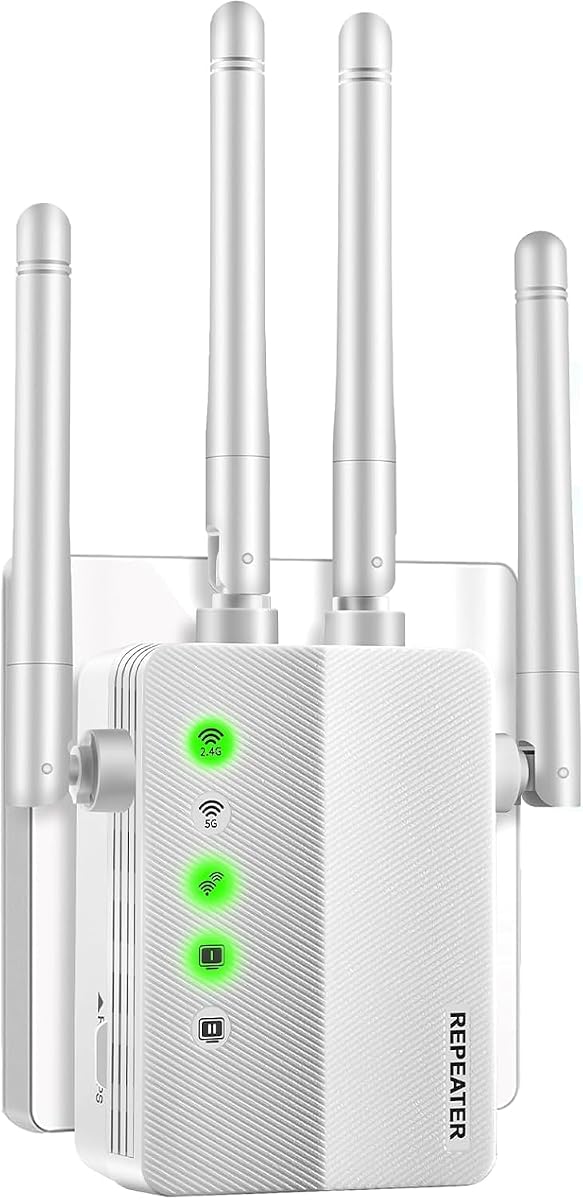
This unbranded yet highly rated extender delivers impressive value with a compact wall-plug design and WPS setup. Users praise its ability to boost coverage significantly across large areas without technical hassle.
We may earn a commission when you buy through this link, at no additional cost to you.
Supporting multiple modes like AP and Repeater adds flexibility for different network setups. Security protocols protect personal data, ensuring safe browsing and streaming without exposing private information unnecessarily.
While coverage claims might exceed real-world performance, the high user satisfaction indicates reliable operation. It is an excellent choice for those seeking affordability without sacrificing core connectivity features.
Budget shoppers looking for a simple plug-and-play solution will find this model appealing. It performs well in typical residential settings, making it a smart alternative to pricier branded options.
Repeater and AP modes allow adapting to various needs like guest networks or wired devices.
Built-in WPA/WPA2 support secures the network against unauthorized access effectively.
We may earn a commission when you buy through this link, at no additional cost to you.
The NETGEAR EX5000 offers a straightforward solution for extending Wi-Fi in moderate-sized homes. Its setup via Nighthawk app or WPS makes it accessible for non-technical users seeking quick connectivity.
We may earn a commission when you buy through this link, at no additional cost to you.
It maintains secure connections with WPA2 protection and automatic updates to keep defenses current. Compatible with any router type, it fits easily into existing networks without replacing your main gateway.
Performance remains standard AC1200, which works well for daily tasks but lacks next-gen speeds. Still, its simplicity and brand reliability make it a dependable choice for basic coverage needs.
Households prioritizing ease of use and security will appreciate its streamlined features. It serves as a reliable stopgap for dead zones without requiring complex configuration or expensive upgrades.
Nighthawk app provides easy monitoring and firmware updates for long-term reliability.
Supports any standard ISP router to avoid vendor lock-in or compatibility issues.
We may earn a commission when you buy through this link, at no additional cost to you.
The TP-Link RE220 provides an affordable entry into mesh networking via OneMesh technology. It works best with TP-Link routers but extends coverage reliably to smaller spaces like home offices.
We may earn a commission when you buy through this link, at no additional cost to you.
A Ethernet port allows wired connections for devices needing stability. Setup remains simple through the Tether app, helping users position the unit optimally for signal strength.
With 1200 sq ft coverage and 30 device support, it suits compact homes or specific dead zone fixes. Its lower cost makes it a great first step before moving to full mesh systems.
Owners of TP-Link routers should prefer this for seamless roaming benefits. It offers balanced performance and convenience without the expense of a full mesh upgrade.
Works with compatible routers to create a unified network without changing SSIDs.
Low price point makes it accessible for casual users needing basic range boosts.
We may earn a commission when you buy through this link, at no additional cost to you.
The RE615X brings Wi-Fi 6 efficiency at a balanced price for average households. It covers up to 2100 sq ft and supports many devices without significant slowdowns.
We may earn a commission when you buy through this link, at no additional cost to you.
Beamforming enhances signal strength to connected devices, while the gigabit port ensures wired reliability. The Tether app streamlines setup, making it accessible for most users without technical background.
It does not support 6GHz, focusing on dual-band 2.4 and 5GHz. This limitation is acceptable for most current devices, offering a practical step into next-gen networking.
Users seeking modern performance without top-tier costs should consider this model. It strikes a strong balance between speed, coverage, and ease of use for typical homes.
Newer protocol manages traffic better for smoother multitasking and streaming.
Beamforming directs signals specifically to devices for stronger and steadier connections.
We may earn a commission when you buy through this link, at no additional cost to you.
The Baetaey booster promises extensive coverage with four antennas for large properties or rural settings. Its setup is simplified via WPS, ensuring quick connectivity for most users.
We may earn a commission when you buy through this link, at no additional cost to you.
It supports over 70 devices, making it suitable for heavy usage scenarios like large offices or gatherings. Security protocols protect personal data effectively against unauthorized access attempts.
While the 15000 sq ft claim is ambitious, the antenna design suggests strong potential. Real-world performance depends on obstacles, but users report stable connections for streaming and calls.
Those needing maximum range and device capacity at a mid-range price will find it appealing. It balances raw power and usability effectively for demanding environments.
Four antennas focus signals broadly to cover wider areas and reduce dead zones effectively.
Supports many devices simultaneously for seamless connectivity in busy households.
We may earn a commission when you buy through this link, at no additional cost to you.
This TP-Link Wi-Fi 7 extender delivers cutting-edge performance for future-ready networks. It supports Multi-Link Operation to combine bands, reducing latency for gaming and streaming.
We may earn a commission when you buy through this link, at no additional cost to you.
Coverage reaches 2400 sq ft with four antennas and Beamforming. It pairs best with Wi-Fi 7 routers for full benefits, but remains compatible with older devices.
The premium price reflects its advanced capabilities, including high-throughput data transmission. It ensures seamless connectivity even under heavy loads, minimizing lag for critical tasks.
Tech enthusiasts and professionals needing maximum speed and reliability should consider this. It sets a new standard for extender performance and longevity in smart homes.
Combines frequency bands for lower latency and higher throughput across devices.
Supports Wi-Fi 7 standards ensuring longevity as devices evolve and improve.
We may earn a commission when you buy through this link, at no additional cost to you.
Choosing the right extender requires balancing ease of setup, coverage needs, and compatibility with existing gear.
Look for units with WPS buttons or mobile apps to simplify setup. Avoid models needing complex web interfaces unless you have networking knowledge.
Quick installation saves time and frustration for most users.
Match the extender's square footage claim to your home size. Underestimating leads to dead zones while overestimating wastes money on unnecessary power.
Select units matching your actual coverage needs for best value.
Ensure the extender works with your current router type. Mesh systems may need specific models to integrate properly.
Check vendor requirements before purchasing to avoid incompatibility.
Wi-Fi 6 or 7 models offer better performance but require modern routers. Older AC extenders work but lack speed improvements.
Choose standards matching your internet plan and devices.
Gigabit ports are ideal for wired devices like consoles or PCs. Fast ports work but limit speed for high-performance gear.
Prioritize gigabit support if wired reliability is essential.
Smart homes with many gadgets need extenders supporting 30 or more devices. Basic models may lag with many connections.
Match capacity to your household device count.
WPA3 or WPA2 standards protect your network from breaches. Avoid models lacking updated security protocols.
Security ensures safe browsing and streaming.
Budget units suffice for basic needs but lack advanced features. Premium models justify cost with speed and longevity.
Balance upfront cost with long-term benefits.
Plug the extender halfway between your router and the dead zone. Use the app or WPS to pair it, then move it to the optimal spot indicated by signal lights.
Regularly update firmware via the manufacturer's app to maintain security and performance. Check connection speeds periodically to ensure the setup remains effective.
Keep the unit in a well-ventilated area away from heat sources or electronics that cause interference. Dust the exterior occasionally to prevent overheating and extend device life.
Extenders can reduce speed slightly due to wireless retransmission, but they improve reliability. Modern dual-band units minimize this loss significantly compared to single-band models.
Most extenders work universally with standard routers. However, mesh features often require matching brands for full integration and seamless roaming.
Most models support 30 to 64 devices comfortably. Heavier usage needs higher capacity units like Wi-Fi 6 or mesh-capable extenders.
Not essential for most users, but useful for wired devices needing stable connections. Gigabit ports allow high-speed links for gaming or streaming.
While possible, it often causes speed drops and interference. Mesh systems or wired backhaul setups work better than multiple wireless daisy chains.
Ideally halfway between the router and dead zone. Too far reduces backhaul signal; too close wastes its range potential. Use signal lights to find the sweet spot.
Some support Mesh protocols like EasyMesh or OneMesh, others do not. Check product details to confirm compatibility with your existing mesh system.
Most last 3 to 5 years with proper ventilation and updates. Hardware advances mean newer models offer better speed and features over time.
The TP-Link AC1200 and AX3000 models stand out for balancing cost, setup ease, and performance. For premium users, the BE3200 Wi-Fi 7 offers future-proof speeds.
Prioritize compatibility with your existing router and needed features like Ethernet ports. Matching capacity to your device count ensures smooth operation without bottlenecks.
Check current listings for the latest prices and deals as these vary frequently. Choosing the right model transforms your home network into a reliable and fast connection.