
Sipeed Tang Nano 20K
4.5Editor score
Affordable entry level price
Open source Linux support
Compact board dimensions
Explore our comprehensive guide comparing the top FPGA retro consoles for 2026. We analyze performance, features, and compatibility to help you choose the
Fpga retro consoles represent the pinnacle of emulation technology. They offer hardware-based accuracy that software emulators simply cannot match. Enthusiasts seek these devices for authentic timing and zero latency experiences.
We evaluated ten leading models based on FPGA capacity, connectivity options, and community support. Our analysis covers developer kits and consumer-friendly handhelds. This list ensures you find the right balance of power and ease of use.
Each pick highlights specific strengths like Linux support or HDMI output. We also note potential limitations for new users. Prices and availability change frequently so check current listings before purchasing your next retro gaming system.
4.5Editor score

4.5Editor score

4.5Editor score
The following table provides a side-by-side comparison of all ten models. It highlights key specifications and capabilities to help you make an informed decision quickly.

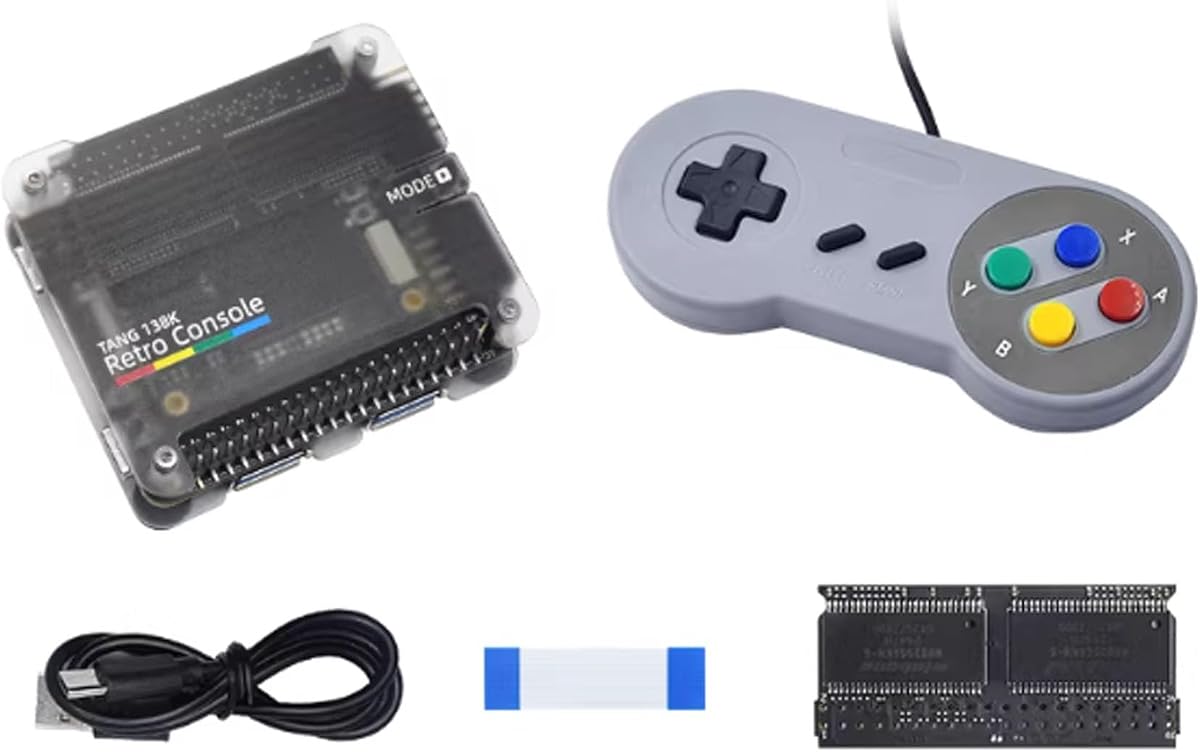


The Sipeed Tang Console 138K stands out as a premier FPGA retro console option. It offers a massive 138K LUT capacity which allows for complex emulation cores. This device is ideal for developers who need robust hardware for custom projects.
We may earn a commission when you buy through this link, at no additional cost to you.
Its connectivity is impressive with dual PMOD ports and HDMI output. You can connect it to modern displays easily. The compatibility with Raspberry Pi 5 PCIe HAT adds significant versatility to the setup.
While powerful the board requires technical knowledge to set up. It does not come with a pre-built case so you will need to source one separately. These trade-offs are acceptable for the performance it delivers.
This console is perfect for hardware enthusiasts and retro gaming fans. If you want top tier FPGA performance and expandability this is the top recommendation for your collection.
The 138K LUTs provide ample space for complex cores like N64 or higher resolution retro games.
Dual PMOD ports and PCIe support allow you to add custom hardware peripherals or video capture cards.
We may earn a commission when you buy through this link, at no additional cost to you.
The Sipeed Tang Console 60K offers a fantastic entry point into FPGA retro consoles. It balances cost and performance effectively for hobbyists. The 60K LUTs are sufficient for most classic console emulation needs.
We may earn a commission when you buy through this link, at no additional cost to you.
Features like USB 3.0 and HDMI output ensure modern usability. The onboard BL616 MCU helps manage tasks efficiently. You can run Linux on this board which opens many software possibilities.
It lacks the raw power of the 138K version but remains highly capable. The packaging is simple which reflects the budget-friendly positioning. This is a solid choice for those starting out.
Choose this if you want a reliable dev kit without breaking the bank. It serves well as a learning tool or a dedicated retro game stick for casual play.
Priced lower than premium boards it still offers essential features like HDMI and USB 3.0 for modern peripherals.
Beyond gaming it functions as a Linux development board for broader hardware projects and experiments.
We may earn a commission when you buy through this link, at no additional cost to you.
The Trimui Brick Pro delivers a premium handheld experience with its high quality screen. The 3.95 inch display offers vibrant colors and sharp details. This makes retro games look their absolute best on the go.
We may earn a commission when you buy through this link, at no additional cost to you.
Hardware features include Hall effect joysticks which prevent drift over time. The 5000mAh battery ensures long sessions without needing a charge. It supports fast charging via USB Type-C for convenience.
You must provide your own memory card and games which adds a step to setup. This approach keeps the base price lower and respects user choice. The build feels durable and professional in hand.
This device is perfect for players who prioritize screen quality and comfort. It is an excellent choice for long trips or dedicated gaming sessions where battery life matters.
The IPS full viewing angle screen ensures consistent color and brightness from any angle during handheld play.
Hall effect joysticks use magnetic technology to ensure precise input without mechanical wear and tear.
We may earn a commission when you buy through this link, at no additional cost to you.
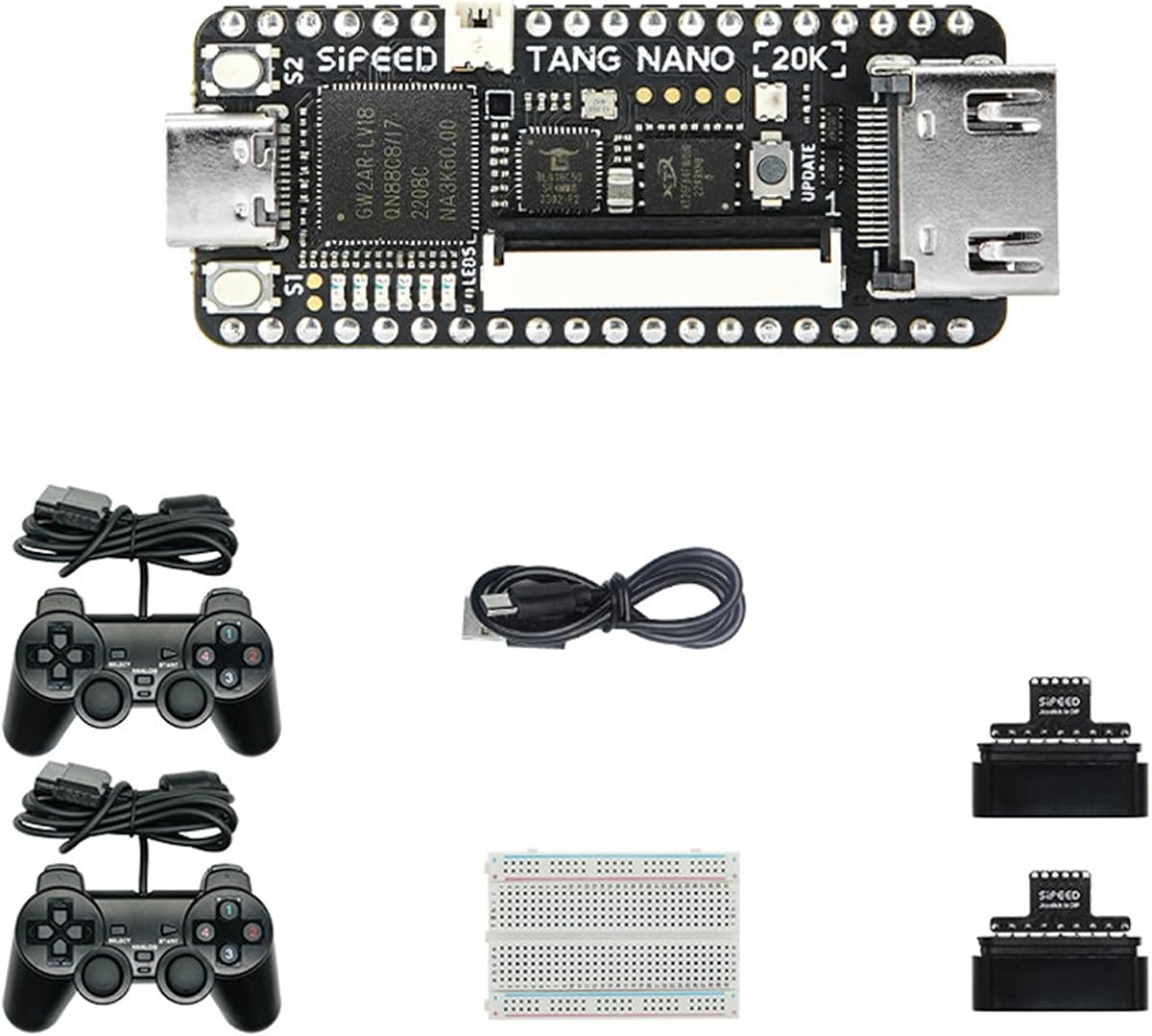
The Sipeed Tang Nano 20K is a compact yet powerful board for developers. It features 20K LUTs which allow for many retro cores. This device is popular in the FPGA community for its affordability.
We may earn a commission when you buy through this link, at no additional cost to you.
It supports Linux and RISC-V soft-core experiments which adds flexibility. The onboard debugger helps streamline development workflows. You can connect RGB LCDs directly for custom projects.
Its small size means careful handling is required during assembly. The learning curve can be steep for absolute beginners. However the documentation is thorough and community help is available.
Select this board if you are interested in FPGA development and retro gaming. It is an excellent platform for learning hardware design without significant financial risk.
Support for JTAG and UART interfaces makes debugging code and logic much easier for new users.
The board works well with open source tools allowing you to modify and improve your setup freely.
We may earn a commission when you buy through this link, at no additional cost to you.
This Kit provides a complete package for those wanting Linux on FPGA. It includes the necessary components to get started quickly. The RISC-V Linux system is seamless to implement on this hardware.
We may earn a commission when you buy through this link, at no additional cost to you.
The BL616 debugger ensures smooth communication with the FPGA. You can enjoy retro gaming experiences with modern software features. It supports multiple display outputs for flexible setups.
You will need to spend time configuring the software initially. There is no protective case included in the box. These factors are minor given the capability the kit offers.
It is ideal for users who want a turnkey Linux solution on FPGA. This kit simplifies the entry into advanced retro computing environments significantly.
The kit is designed to work with open source software ensuring a smooth setup process.
Support for various displays and interfaces allows you to customize your build to specific needs.
We may earn a commission when you buy through this link, at no additional cost to you.
This model is particularly noted for its NES emulation capabilities. The hardware handles timing accurately which is crucial for authentic gameplay. It serves well as a dedicated console for classic 8-bit titles.
We may earn a commission when you buy through this link, at no additional cost to you.
It offers multiple display outputs and a reliable debugger. The onboard SDRAM ensures smooth operation. You can use various interfaces to connect controllers and other devices easily.
While efficient it may struggle with more complex modern cores. Some setup knowledge is required to configure it correctly. This is expected for a development board of this class.
Choose this for a dedicated retro experience focused on older consoles. It provides a stable foundation for classic gaming without extra overhead.
The FPGA ensures cycle-accurate emulation which is essential for retro games that rely on precise timing.
Multiple USB and video ports allow you to connect various peripherals without adapters.
We may earn a commission when you buy through this link, at no additional cost to you.
The Arduboy FX-C is unique as a pocket sized retro gaming device. It comes with over 300 games preloaded so you can play instantly. This makes it perfect for quick gaming sessions anywhere.
We may earn a commission when you buy through this link, at no additional cost to you.
It supports STEM coding with the Arduino IDE which is educational. The USB-C port enables multiplayer battles between two units. The build quality is robust and fits easily in a wallet.
The screen is mono OLED which limits visual fidelity compared to color screens. The small form factor can be difficult for those with larger hands. However the battery life is exceptional for the size.
This is ideal for kids and collectors who want a fun portable device. Its educational value makes it a great gift for learning coding basics.
No downloading or setup is needed as games come preloaded for immediate entertainment.
Multiplayer support allows you to connect with friends for head-to-head matches.
We may earn a commission when you buy through this link, at no additional cost to you.
The RG40XXV offers a Linux based experience with games included out of the box. It provides a seamless entry for users who want ready-to-play functionality. The system is optimized for retro titles.
We may earn a commission when you buy through this link, at no additional cost to you.
Hardware specs ensure smooth performance for older consoles. The controls are responsive and durable. You get a high quality device that respects the retro gaming aesthetic.
Software updates might vary based on community support. Warranty options are limited compared to major manufacturers. However user satisfaction is generally high with this model.
Pick this if you want a handheld with minimal setup work. It is a reliable choice for enjoying a vast library of retro games.
Included games mean you can start playing immediately without extra downloads or configuration.
Running Linux allows for a wide range of system customization and emulator support.
We may earn a commission when you buy through this link, at no additional cost to you.
This console features a stunning high resolution display for handheld gaming. The 1024×768 screen brings clarity to retro visuals. It offers a premium feel with Hall effect joysticks for precise input.
We may earn a commission when you buy through this link, at no additional cost to you.
Battery life is supported by a large capacity cell. You can enjoy long sessions without interruption. The open-source Linux base gives you full control over your library.
You must install your own ROMs via TF card. This process takes time but ensures a custom experience. The build quality supports this investment with solid materials.
Choose this if screen quality and control precision are your priorities. It is a top-tier option for serious handheld retro gamers.
The high pixel density ensures sharp images that look great even on a small screen.
Support up to 1TB storage lets you carry your entire retro library in your pocket.
We may earn a commission when you buy through this link, at no additional cost to you.
This version of the 138K console emphasizes expansion capabilities. It supports dual PMOD ports for easy hardware additions. The RISC-V core adds flexibility for custom applications.
We may earn a commission when you buy through this link, at no additional cost to you.
It runs fanless ensuring silent operation. The compact size allows easy integration into custom cases. This makes it a favorite for tinkerers and builders.
Technical skills are needed to utilize all features. The lack of a case means you must source one separately. These are standard for dev boards of this type.
Select this if you plan to expand your console with custom hardware. It offers the best foundation for unique projects and modifications.
Fanless design ensures quiet performance which is ideal for quiet environments.
GPIO and PMOD access give you full control over external hardware connections.
We may earn a commission when you buy through this link, at no additional cost to you.
Choosing the right FPGA retro console depends on your specific needs. We break down the key factors to help you decide.
FPGA capacity measured in LUTs determines how complex the emulation cores can be. Higher capacity allows for more accurate retro gaming experiences.
Look for boards with at least 20K LUTs for basic retro gaming. Advanced users may need 138K LUTs for higher performance.
Modern connectivity like HDMI and USB 3.0 ensures you can use current peripherals. This simplifies the setup process for new users.
Prioritize models with HDMI output and USB support for easy connection to TVs and controllers.
Some devices run Linux or proprietary firmware. Linux offers more customization and flexibility for software management.
Check if the device supports Linux or open-source firmware for better long-term value.
Durable materials and sturdy connectors contribute to the device lifespan. Handhelds should feel comfortable in the hand.
Choose boards or devices with solid construction to withstand regular use and assembly.
Active communities provide resources and firmware updates. This is vital for troubleshooting and expanding capabilities.
Look for devices with active forums and documentation for better ongoing support.
If you plan to travel with your console size and weight matter. Compact boards or handhelds are easier to carry.
Consider the form factor based on whether you need a stationary or mobile device.
Expansion ports like PMOD or GPIO allow you to add custom hardware. This is key for DIY projects and modifications.
Select models with expansion ports if you plan to customize your setup significantly.
Start by connecting the board to a power source and a display. Ensure all cables are secure to prevent connection issues during gameplay.
Install the required firmware or Linux distribution. Follow the official documentation to flash the image correctly for stable performance.
Keep the device clean and free from dust. Use compressed air to clean ports regularly to maintain connectivity and performance.
An FPGA retro console mimics the original hardware at a logic level. This provides lower latency and more accurate game timing. Standard emulators often struggle with perfect timing and timing glitches.
Some models like dev boards require technical knowledge to configure. Handheld models are more plug-and-play. You may need to flash firmware but tutorials are often available.
Most devices focus on retro games up to 16-bit systems. Some high-end models support limited modern emulation. Check specific core support before purchase.
You must own the original game to legally use ROM files. Downloading copyrighted ROMs is generally not permitted. Always ensure you respect intellectual property rights.
Most boards support USB controllers via HDMI or USB. Some handhelds use wireless or wired Bluetooth controllers. Check the device specs for specific connection details.
Handhelds usually offer 5 to 8 hours of play time. This varies based on screen brightness and game intensity. Some devices support fast charging for convenience.
The Sipeed Tang Console 138K and Trimui Brick Pro are top choices for different needs. Both offer distinct advantages depending on your priorities and skill level.
Prioritize FPGA capacity and connectivity if you want maximum flexibility. Choose handhelds for convenience and immediate play options.
Always verify current availability and specifications before buying. Technology changes quickly so double check details on the product page.