
Windows 11 Laptop with i3 Processor 15.6" Work Laptop for College Students
4.5Editor score
Intel Core i3 processor with 12GB RAM
15.6-inch Full HD anti-glare display
Up to 7 hours battery life
Finding the right laptop for engineering school requires balancing power, portability, and battery life. Engineering students need machines that can handle CAD software, coding environments, and heavy multitasking without breaking the bank.
We have analyzed ten real models currently available on the market. Our comparison focuses on processor speed, memory capacity, display quality, and connectivity options to ensure you get a device that lasts through your degree.
Each pick below highlights specific strengths like battery endurance or screen real estate. Keep in mind that availability and deals change frequently, so check current stock before making your final decision for the semester.
4.5Editor score

4.6Editor score

4.6Editor score
As an Amazon Associate we earn from qualifying purchases.
This side-by-side comparison breaks down the key specifications of each model to help you identify the best fit for your specific engineering curriculum and budget constraints.


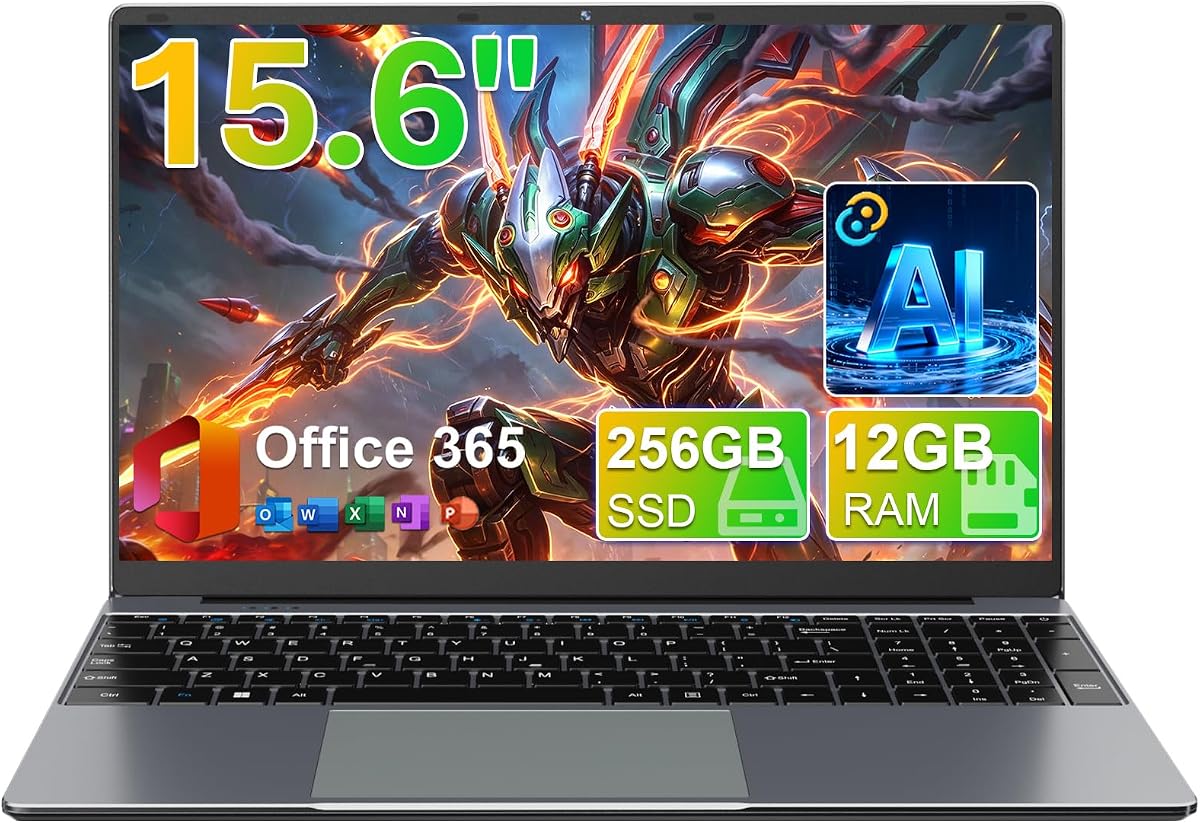


This laptop offers an accessible entry point for students needing a reliable machine for general coursework and light engineering applications. It holds a solid 4.5 rating from users who appreciate its balanced feature set at an affordable price.
We may earn a commission when you buy through this link, at no additional cost to you.
The 12GB RAM is a standout feature for this price range, allowing you to run multiple browser tabs and documentation tools simultaneously without slowdown. The Full HD display ensures text remains sharp during long reading sessions or when reviewing technical diagrams.
While the Intel Core i3 processor handles daily tasks well, it may struggle with heavy 3D rendering or complex simulations. However, for most undergraduate course requirements involving word processing and web-based tools, it remains a capable companion.
Students looking for a dependable budget option for daily classes should consider this model. It provides the essential tools needed for success without requiring a significant financial investment early in your academic career.
The processor and RAM combination ensures smooth operation for standard engineering software like MATLAB basic or web-based CAD viewers.
With WiFi 6 and multiple USB ports, you can easily connect to campus networks and external drives for project sharing.
We may earn a commission when you buy through this link, at no additional cost to you.
This HP model focuses on portability and battery endurance, making it ideal for students who move between lectures and study halls frequently. Users rate it highly for its ability to last through a full day of classes without needing a charger.
We may earn a commission when you buy through this link, at no additional cost to you.
The inclusion of Microsoft Office 365 and Copilot AI adds significant value for writing reports and organizing project data. The lightweight frame ensures that carrying it in a backpack does not become a burden over time.
Storage is a limitation with only 128GB available, which may require reliance on cloud services or external drives for larger engineering files. Additionally, the HD screen is functional but lacks the sharpness of higher-resolution panels.
If your workflow prioritizes document editing and web research over heavy graphic design, this laptop serves well. The combination of modern software tools and long battery life supports productivity on the go.
Pre-installed Office 365 and Copilot AI streamline assignment creation and research tasks immediately upon setup.
The battery supports up to 11 hours of video playback, ensuring you stay powered during long study sessions.
We may earn a commission when you buy through this link, at no additional cost to you.
This unique configuration provides an impressive amount of storage and memory for a budget laptop, appealing to students who need to store large project files locally. The docking station expands connectivity options significantly for a small form factor.
We may earn a commission when you buy through this link, at no additional cost to you.
The 16GB RAM allows for reasonable multitasking even with the slower Celeron processor. This setup is particularly useful for keeping extensive reference materials and datasets accessible without constant external drive dependency.
While the processor handles basic tasks, it may not sustain high loads during intensive computation. The reliance on Wi-Fi 5 means slightly lower network speeds compared to newer standards available in other models.
Engineering students needing substantial local storage for coursework archives will find this configuration beneficial. It offers a practical solution for data-heavy requirements without upgrading to a premium tier model.
The combined eMMC and docking station storage provides over 1TB of space for documents and media files.
The included docking station adds multiple ports, simplifying connections to peripherals and external monitors.
We may earn a commission when you buy through this link, at no additional cost to you.
This model emphasizes sleek design and battery life, making it a strong candidate for students prioritizing mobility over raw processing power. The integration of Copilot AI offers assistance for writing and research tasks directly from the keyboard.
We may earn a commission when you buy through this link, at no additional cost to you.
The micro-edge bezel design provides a modern look and maximizes screen real estate within a compact chassis. It is an ideal secondary device for note-taking and reading lectures while traveling to different campus locations.
The limitation to 4GB RAM may restrict running multiple heavy applications simultaneously. For intensive engineering simulations or heavy virtualization work, this configuration may fall short of optimal performance requirements.
Students who primarily need a device for web browsing, email, and lightweight document editing will appreciate this laptop. It serves well as a reliable tool for general academic activities on campus.
A dedicated Copilot key provides instant access to AI tools for drafting emails and analyzing content quickly.
USB-C and HDMI ports ensure easy connection to projectors and external screens for presentations.
We may earn a commission when you buy through this link, at no additional cost to you.
This laptop distinguishes itself with a flexible hinge and IPS panel, offering better viewing angles for collaborative work. The 180-degree opening allows the screen to lie flat, which can be useful for presentations in group study sessions.
We may earn a commission when you buy through this link, at no additional cost to you.
The inclusion of Office 365 and AI assistance tools supports productivity for assignments and research. With 12GB of RAM, it manages multitasking better than many other budget options in this specific class.
While the processor is older, it handles standard academic tasks well. However, students requiring high-end graphics performance should look elsewhere as integrated graphics may limit visual rendering capabilities.
Those who value screen quality and sharing content with peers will find this device appealing. The balance of RAM and display quality makes it a versatile choice for various academic environments.
The flat hinge mode allows easy screen sharing during study groups without moving the device excessively.
The IPS panel delivers consistent colors and viewing angles, ideal for reading diagrams and charts.
We may earn a commission when you buy through this link, at no additional cost to you.
Designed for efficiency and portability, this model integrates AI tools directly into the workflow. It is well suited for students who need a reliable device for writing reports and managing schedules without heavy computational loads.
We may earn a commission when you buy through this link, at no additional cost to you.
The battery life supports long study sessions in the library or lecture halls without constant recharging. Its lightweight frame ensures it fits comfortably in standard backpacks alongside textbooks and notes.
Memory limitations may hinder performance when running multiple heavy applications. If you need to run engineering simulations alongside web browsing, you might face slowdowns with this configuration.
This device serves best as a primary machine for text-based coursework and administrative tasks. It offers a modern software experience with AI assistance at a competitive price point.
Built-in Copilot AI helps draft emails and summarize research materials for faster assignment completion.
Up to 11 hours of video playback keeps you powered through back-to-back classes without finding an outlet.
We may earn a commission when you buy through this link, at no additional cost to you.
This Lenovo model stands out for its robust processing power, handling complex engineering software and multitasking with ease. It holds a high rating for reliability and performance among professional users and students with demanding workloads.
We may earn a commission when you buy through this link, at no additional cost to you.
The 24GB RAM ensures you can run virtual machines, CAD tools, and multiple browsers without lag. The 1TB NVMe SSD provides fast access to large datasets and quick boot times for efficient start to your day.
While it costs more than budget options, the investment pays off in longevity and capability. The military-grade testing ensures it can withstand the rigors of being carried around campus daily.
Engineering students needing a primary machine capable of serious computational work should prioritize this model. It balances performance and durability effectively to support you through your degree program.
The 10-core i7 processor delivers exceptional speed for rendering simulations and compiling code efficiently.
MIL-STD-810H certification ensures the chassis withstands drops and vibrations common in student life.
We may earn a commission when you buy through this link, at no additional cost to you.
This compact laptop is designed for everyday productivity with a focus on mobility and battery life. It serves well as a lightweight device for students who need a reliable machine for online classes and web research.
We may earn a commission when you buy through this link, at no additional cost to you.
The micro-edge bezels provide a modern aesthetic and maximize screen usage. Coupled with AI tools and Office 365, it offers a complete software environment for writing and organizing schoolwork.
Performance is limited by lower memory and storage, making it less suitable for heavy engineering tasks. It is better suited for note-taking and administrative work rather than computational modeling.
For students looking for a secondary device or a light primary machine for humanities and business courses, this is a strong choice. Its portability ensures you can work anywhere on campus.
Slim bezels and a sleek finish make this laptop look professional in library and study environments.
USB-C and HDMI ports allow easy connection to external displays for presentations or extended workspace.
We may earn a commission when you buy through this link, at no additional cost to you.
This Dell model offers a balanced approach with an efficient processor and comfortable viewing features for long study sessions. The inclusion of onsite service adds a layer of security for students who cannot afford downtime.
We may earn a commission when you buy through this link, at no additional cost to you.
The ComfortView software helps reduce eye strain, which is beneficial for late-night study hours. The ergonomic hinge design improves typing comfort during extended writing periods.
Performance is sufficient for general engineering coursework and web-based tools. It may struggle with high-end rendering but remains a dependable tool for standard academic requirements.
Students valuing reliability and support services will appreciate this configuration. It is a solid choice for those needing a straightforward device that keeps productivity flowing.
ComfortView reduces blue light emissions to protect eyes during long periods of screen use.
One year of onsite service ensures quick repair access without shipping delays.
We may earn a commission when you buy through this link, at no additional cost to you.
This model provides a spacious workspace with a large screen and robust internal components. It is an excellent workstation for students who need to view multiple documents or complex diagrams simultaneously.
We may earn a commission when you buy through this link, at no additional cost to you.
The Windows 11 Pro OS offers enhanced security and management features suitable for business and advanced academic applications. The 1TB SSD ensures ample space for large project files and media storage.
Portability is the main trade-off as the larger chassis adds weight. This device is best used in a stationary setting or when traveling with a large backpack rather than carrying daily.
Engineering students needing a desktop replacement for heavy data entry or analysis will find this appealing. The combination of screen size and memory capacity supports complex workflows effectively.
The 17.3-inch screen allows viewing full spreadsheets and code editors side-by-side comfortably.
Windows 11 Pro provides advanced security features for protecting research data and personal information.
We may earn a commission when you buy through this link, at no additional cost to you.
Selecting the right laptop involves weighing several critical factors to ensure you can handle your coursework efficiently throughout your degree.
Engineering software often requires significant CPU power for calculations and simulations. Look for modern multi-core processors that can handle multitasking without bottlenecks.
Prioritize models with at least a quad-core CPU to ensure smooth operation across complex applications.
Memory determines how many applications you can run simultaneously. More RAM allows for better performance when switching between tools and browsers.
Aim for at least 12GB of RAM to ensure your laptop remains responsive during heavy study sessions.
Solid State Drives provide faster boot times and file access compared to traditional hard drives. This speed boosts overall system responsiveness for daily tasks.
Choose NVMe SSDs where possible to ensure quick load times for large engineering datasets.
A high-resolution screen helps reduce eye strain during long periods of coding or reading technical manuals. Anti-glare coatings are beneficial for varied lighting conditions.
Select Full HD displays with IPS panels for better viewing angles and color accuracy in your work.
Long battery life ensures you can work between classes without needing to hunt for outlets. Look for models rated for at least 7 hours of mixed use.
A battery lasting through your full day of lectures improves your flexibility and focus on campus.
Since you will carry your laptop frequently, weight and dimensions matter. Lightweight models reduce physical fatigue over time.
Balance screen size with weight to find a unit that fits easily in your daily backpack setup.
Multiple ports like USB-C and HDMI are essential for connecting peripherals and external monitors. This capability supports presentation and extended workspace needs.
Ensure the device has enough ports to connect all your necessary devices without requiring extra dongles.
Engineering students often work in various environments where drops or spills might occur. Ruggedized builds or military-grade testing add confidence.
Investing in a durable chassis helps protect your investment throughout your years of study and travel.
Keep your laptop clean by regularly dusting the keyboard and screen. Use compressed air to remove debris that could accumulate in the vents and affect cooling performance.
Invest in a protective case or sleeve to shield the device from bumps when traveling between classes. Avoid placing heavy objects on top of the laptop in your backpack to prevent screen damage.
Manage your power settings to maximize battery efficiency during long study sessions. Enable power-saving modes when not under heavy load to extend usage time without access to a charger.
Most engineering applications perform best with at least 16GB of RAM. This ensures you can run simulations and development tools simultaneously without performance issues.
While integrated graphics can handle basic tasks, a dedicated card is recommended for 3D modeling. It ensures smoother rendering and better visual performance for design-heavy courses.
Battery life is critical for moving between classes without finding an outlet. Aim for at least 7 to 8 hours to cover a full day of lectures and study sessions comfortably.
Windows is generally preferred due to broader software compatibility for engineering tools. Ensure the system supports the specific applications required for your major.
Tablets are not ideal as primary devices for engineering due to software limitations. They work better as secondary tools for note-taking alongside a full laptop.
Touchscreens are convenient but may drain battery faster. They are optional unless you frequently use touch-specific applications or digital drawing tools for your work.
The top picks offer a range of options from budget-friendly to high-performance models. The Lenovo option stands out for raw power while budget models provide essential tools for lighter workloads.
Prioritize performance needs based on your specific major requirements. If you need heavy rendering capabilities, invest in a machine with robust memory and processing power.
Always verify current availability and features before finalizing your decision. Specifications and deals can change quickly so check the latest details for the semester.