
HP 17 Inch FHD Laptop Computer
4.6Editor score
AMD Ryzen 5 7430U Processor
17.3-inch Full HD IPS Display
16GB RAM and 1TB SSD
Windows 11 Pro Pre-installed
Finding the right laptop for engineering students requires balancing power, portability, and price. You need a machine that handles CAD software, coding environments, and long study sessions without breaking the bank or weighing down your backpack.
We evaluated ten top models based on processor speed, memory capacity, display quality, and battery life. Our list includes affordable options for budget-conscious learners and robust machines for demanding simulations and design work across various engineering disciplines.
Each pick highlights key strengths and potential trade-offs to help you decide quickly. Remember that prices fluctuate frequently, so check current deals before purchasing. This guide ensures you invest in a tool that supports your academic and professional growth effectively.
4.6Editor score

4.3Editor score

4.5Editor score
As an Amazon Associate we earn from qualifying purchases.
This side-by-side comparison highlights the core specifications and unique selling points of each selected laptop to help you visualize the differences in performance, display, and connectivity options available for engineering coursework.




The Dell 15.6 Laptop stands out with its efficient Core i5 processor designed for everyday computing tasks. It offers a comfortable viewing experience through ComfortView software that reduces harmful blue light emissions during long study sessions.
We may earn a commission when you buy through this link, at no additional cost to you.
Students benefit from the roomy keypads and separate numeric keypad which aid in quick calculations. The ergonomic lifted hinges provide a better typing angle reducing wrist strain during extended work periods on complex assignments.
While the battery supports Express Charge to extend focus, users should expect moderate longevity under heavy loads. The standard hardware configuration suits general coursework well but may require upgrades for intensive engineering simulations.
This device is ideal for students seeking reliability and comfort without paying for unnecessary premium features. Its balanced mix of performance and ergonomic support makes it a strong candidate for daily academic use.
The lifted hinges create a natural typing angle that reduces wrist fatigue during long coding or writing sessions.
ComfortView software minimizes blue light exposure protecting your eyes during late-night library or dorm work.
We may earn a commission when you buy through this link, at no additional cost to you.
This HP model delivers powerful AMD Ryzen 5 performance with six cores and twelve threads for seamless multitasking. The expansive 17.3-inch Full HD IPS display provides ample screen real estate for detailed CAD drawings and spreadsheet work.
We may earn a commission when you buy through this link, at no additional cost to you.
Pre-installed Windows 11 Pro offers enhanced security and management features suitable for professional environments. The dedicated Copilot AI key facilitates quick access to intelligent assistance for drafting emails or managing workflows efficiently.
The larger screen size adds bulk which might be cumbersome for daily campus carry compared to smaller laptops. Additionally the premium price reflects the higher hardware tier so it requires a careful budget assessment before purchase.
Engineering students needing high-resolution workspace and robust processing power will find this laptop highly capable. It excels in stationary study environments or when paired with a docking station for full workstation capability.
The 17.3-inch screen allows multiple windows open simultaneously aiding complex project management and data analysis tasks.
Professional-grade security and management tools protect sensitive research data and simplify IT integration in university networks.
We may earn a commission when you buy through this link, at no additional cost to you.
This budget-friendly option offers surprising performance with an Intel Core i3 processor and 12GB RAM for smooth multitasking. The 15.6-inch Full HD anti-glare screen ensures crisp images and vivid colors perfect for online lectures and video streaming.
We may earn a commission when you buy through this link, at no additional cost to you.
Students can work late into the night thanks to the cool backlit keyboard and reliable battery life of around seven hours. Fast WiFi 6 connectivity ensures stable high-speed wireless connections for downloading large files or attending virtual classes.
The integrated Intel UHD Graphics are not designed for heavy gaming or advanced 3D rendering tasks requiring discrete GPUs. Storage can be expanded via TF card slot but initial capacity may fill up quickly with large engineering project files.
Ideal for beginners or those prioritizing cost over raw power this laptop covers most basic academic needs effectively. Its portability and complete package make it a practical choice for students on a tight budget.
The Core i3 and 12GB RAM combination handles everyday office tasks and online classes without slowing down.
Multiple USB ports and HDMI output allow easy connection to external monitors and peripherals for a flexible study setup.
We may earn a commission when you buy through this link, at no additional cost to you.
The HP Stream 14 provides ample RAM with 16GB DDR4 memory which supports smooth multitasking even on entry-level hardware. A unique bonus docking station set adds significant storage capacity ensuring you have room for all digital files and media.
We may earn a commission when you buy through this link, at no additional cost to you.
Engineered for daily responsiveness this device handles online education and web access efficiently without compromising power consumption. The compact portable design fits easily into any bag making it convenient for moving between classes or library sessions.
The Intel Celeron processor is suitable for basic tasks but may struggle with demanding engineering software requiring higher clock speeds. Boot performance depends on eMMC storage which is slower than standard SSDs found in other models at similar price points.
Students needing lots of RAM and storage for general academic work will appreciate this configuration. However those running complex simulations should consider models with faster processors to avoid performance bottlenecks during critical assignments.
The included docking station expands storage significantly allowing you to keep large project files accessible without slowing the main drive.
One year of Office 365 ensures you have essential productivity tools ready for assignments and collaboration from day one.
We may earn a commission when you buy through this link, at no additional cost to you.
This HP 14-inch laptop offers a reliable balance for daily tasks with an Intel Processor N150 reaching up to 3.6GHz. The battery life supports up to 11 hours of power allowing professionals and students to work through long flights or back-to-back classes.
We may earn a commission when you buy through this link, at no additional cost to you.
It includes a complimentary one-year Microsoft 365 subscription ensuring immediate access to Word and Excel for important projects. The compact frame weighs only 3.24 lbs making it easy to carry in a backpack without adding unnecessary bulk to your load.
The 128GB UFS storage is secure but may require external drives for large media or project archives over time. While efficient for documents and web browsing heavy multitasking or engineering simulations might reveal limitations in raw processing power.
Ideal for students prioritizing mobility and battery longevity this machine keeps you connected and productive throughout the day. It serves well as a secondary device or for coursework that does not demand high-end graphical capabilities.
Extended battery life ensures you can attend lectures and complete assignments without constantly hunting for power outlets on campus.
Next-generation WiFi 6 provides stable network connections essential for video conferences and quick file uploads in crowded networks.
We may earn a commission when you buy through this link, at no additional cost to you.
Powered by an Intel N150 processor this HP 2026 Essential Laptop handles everyday tasks like web browsing and document editing efficiently. The 14-inch HD anti-glare display with micro-edge bezel provides an immersive viewing experience with minimal distractions during online classes.
We may earn a commission when you buy through this link, at no additional cost to you.
Modern connectivity includes Wi-Fi 6 and Bluetooth 5.4 enabling seamless pairing with wireless peripherals and fast data transfer. The sleek Natural Silver finish combines professional aesthetics with durability suitable for both academic and professional environments.
The 4GB LPDDR5 RAM ensures fast system responsiveness but may struggle with heavy multitasking across multiple large applications. Students requiring extensive memory for simulations should look for models with 8GB or more to avoid performance throttling.
This device serves well as an entry-level machine for basic coursework and communication needs. Its balanced design and battery life make it a practical choice for learners who value simplicity and affordability over raw power.
The anti-glare coating reduces eye strain during extended study sessions allowing you to focus on content without fatigue.
Microsoft Copilot integration provides AI-powered assistance accessible with a dedicated key helping streamline research and writing tasks.
We may earn a commission when you buy through this link, at no additional cost to you.
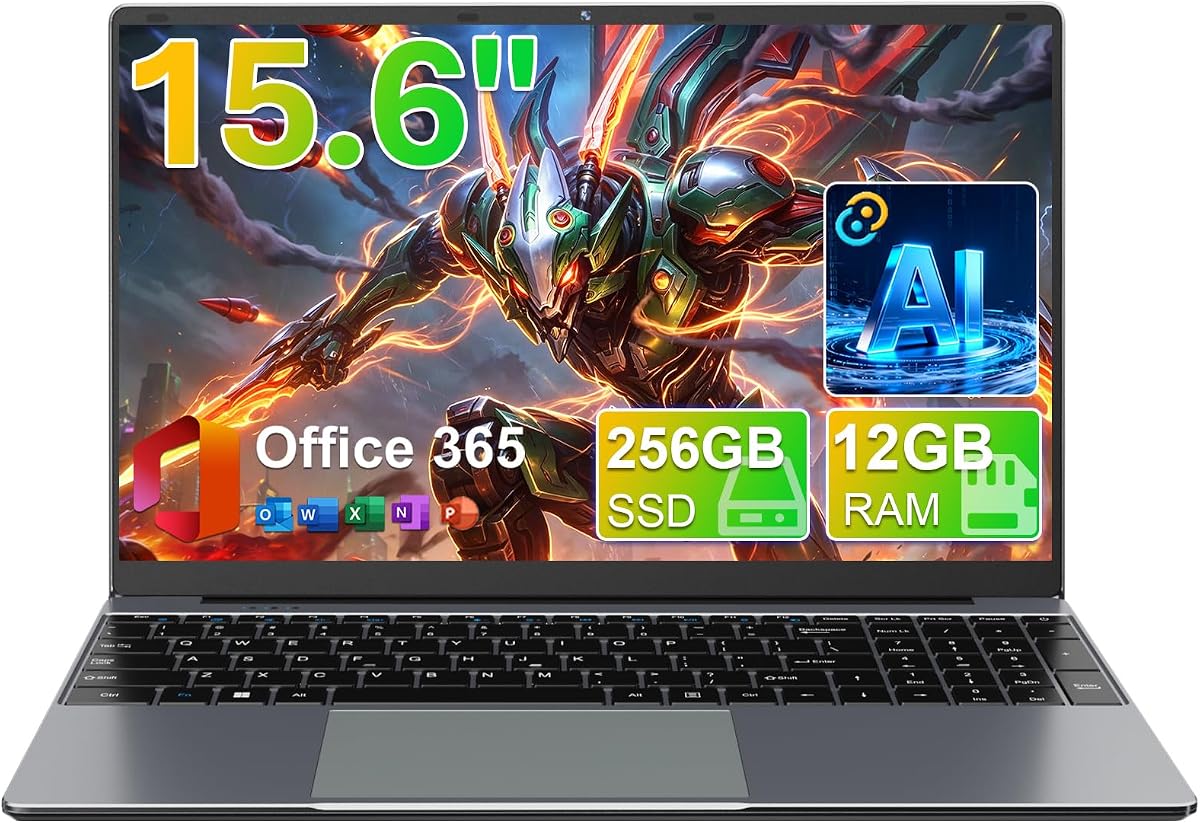
This student laptop features a hinge that opens flat to 180 degrees giving flexibility for presentations and team collaboration. The built-in AI assistant helps with chatting writing reading and drawing simplifying daily tasks and saving valuable time for complex engineering problems.
We may earn a commission when you buy through this link, at no additional cost to you.
With 12GB RAM and 256GB SSD storage it handles multitasking with ease for typical student workloads. The 15.6-inch FHD display with narrow bezels optimizes usable screen space delivering a more engaging viewing experience with lifelike imagery for detailed diagrams.
The Celeron J4105 processor is capable of basic tasks but may not support heavy engineering applications efficiently compared to newer chips. Battery and connectivity are reliable though you may notice slower data transfer speeds with older Wi-Fi standards in crowded networks.
Ideal for collaborative projects and general academic use this machine offers unique flexibility for shared screen viewing. The AI assistance adds a layer of convenience for daily organization without requiring additional software installation or setup.
The 180-degree hinge allows you to lay the screen flat for group work making sharing content physically easier during discussions.
Built-in AI tools assist with routine writing and data tasks freeing up your mental energy for core engineering concepts.
We may earn a commission when you buy through this link, at no additional cost to you.
The HP Laptop 2026 Student Business delivers smooth performance for everyday computing tasks with an efficient Intel N150 processor. Its lightweight design and compact dimensions make it easy to carry in backpacks ensuring you can move around campus without extra bulk.
We may earn a commission when you buy through this link, at no additional cost to you.
Battery life supports up to 11 hours of video playback and 7.5 hours of mixed usage which fits most school schedules. Wi-Fi 6 and Bluetooth 5.4 ensure fast wireless performance keeping you connected to projectors and accessories seamlessly.
The 4GB LPDDR5 memory enables smooth multitasking between light applications but heavy engineering software may require more resources. Storage is limited to 128GB UFS internal capacity so external drives may be needed for extensive media or project files over time.
This laptop is suitable for students focusing on general academic tasks and remote work needs. Its reliable performance and portability make it a consistent choice for daily computing without demanding high-end graphical processing.
Weighing just 3.24 lbs ensures the device stays comfortable in a bag even during long commutes between lecture halls.
Wi-Fi 6 improves reliability in crowded networks ensuring stable connections for video calls and large file downloads.
We may earn a commission when you buy through this link, at no additional cost to you.
This HP 14-inch Business and Student Laptop offers a high-resolution LED screen providing sharp clear text and images for comfortable browsing. The combination of RAM and Solid State Drive ensures the system runs smoothly handling multi-application workflows efficiently for daily tasks.
We may earn a commission when you buy through this link, at no additional cost to you.
Windows 11 Home and 1-Year Microsoft Office 365 are included ready for immediate productivity use in academic or business settings. A numeric keypad supports quick data entry while a camera privacy shutter adds a layer of security for virtual meetings.
The Intel N200 processor frequency up to 3.7GHz supports consistent performance for general computing but may struggle with demanding simulations. Overall storage is expanded via a docking set which helps mitigate internal capacity limits for file management.
Students prioritizing reliability and a clean user experience will find this device effective for coursework and documentation. Its balanced features make it a safe choice for those needing a dependable daily driver without complex configuration requirements.
Combined storage options provide enough space for essential apps and files without relying immediately on external cloud services.
The camera privacy shutter ensures you can control visual access during online classes or meetings for better personal security.
We may earn a commission when you buy through this link, at no additional cost to you.
The HP Laptop 2026 Student Copilot features responsive multitasking capabilities with an efficient processor architecture designed for reliable daily use. Dual-array digital microphones ensure crystal-clear communication during video conferences or virtual study sessions online.
We may earn a commission when you buy through this link, at no additional cost to you.
Its compact dimensions and lightweight design make it easy to carry in backpacks or bags for on-the-go productivity. The 14-inch HD anti-glare display reduces eye strain during long work sessions and maximizes screen real estate for better focus.
The dedicated Copilot AI key provides instant access to intelligent assistance for email drafting and research helping streamline workflows. While memory and storage are sufficient for essentials heavier tasks may require cloud solutions or external drives for optimal efficiency.
This machine suits students needing modern AI tools and reliable connectivity for online learning environments. It stands out as a practical option for those prioritizing collaboration features and portability in their daily academic routine.
Copilot integration helps draft content and manage workflows faster allowing you to focus on core engineering concepts and design.
Dual-array microphones improve voice quality during calls ensuring your contributions are heard clearly in group projects.
We may earn a commission when you buy through this link, at no additional cost to you.
Selecting the right laptop involves evaluating processor power, memory, and display quality to match your specific engineering curriculum needs.
The processor is the brain of your laptop and determines how fast it can run complex engineering software like AutoCAD or MATLAB. For most engineering students, a mid-range Core i5 or Ryzen 5 processor offers the best balance between speed and battery life. Ensure it supports Turbo Boost technology for short bursts of high performance during simulations or rendering tasks.
Choose a processor with at least four cores to handle multitasking efficiently without lag during critical study periods.
RAM is crucial for running multiple applications simultaneously such as web browsers, coding editors, and documentation tools. Engineering software often requires significant memory resources to operate smoothly especially when loading large datasets or 3D models. Aim for at least 16GB of RAM if your budget allows to future-proof your device against increasingly demanding academic requirements.
Prioritize laptops with 16GB RAM for smooth multitasking to avoid slowdowns during intensive software usage.
Solid State Drives (SSDs) provide faster boot times and file access compared to traditional hard drives which speeds up your workflow significantly. Look for laptops with at least 256GB of storage to store necessary applications and files without needing external drives immediately. If your curriculum involves large video or data sets consider models with 512GB or more to reduce management hassles.
Select an SSD with at least 256GB capacity to ensure quick system responsiveness and efficient file management.
A high-quality display reduces eye strain during long study sessions and ensures accuracy when viewing detailed technical drawings. Full HD resolution is the minimum standard and an IPS panel offers better viewing angles for collaborative work. Features like anti-glare coating are beneficial for working in different lighting conditions around campus or libraries.
Opt for a Full HD IPS display with anti-glare coating to protect your eyes and maintain color accuracy.
Long battery life is essential for students who attend back-to-back classes without access to power outlets between lectures. Look for laptops promising at least 8 hours of mixed usage to keep you productive throughout the day. Fast charge capabilities are also a valuable addition allowing you to top up quickly during short breaks.
Target a laptop with 8 hours or more battery life to support full days of classes and study sessions.
Since you will likely carry your laptop between classes, a lightweight design under 4 pounds is highly recommended. A thin profile helps fit the device into a standard backpack comfortably without adding too much bulk. Port selection also matters as you may need HDMI or USB-C to connect to projectors or docking stations in lecture halls.
Choose a model under 4 pounds with versatile ports to ensure easy transport and connectivity across campus.
Windows 11 Home is generally preferred for engineering students due to broader software compatibility compared to other platforms. Many specialized engineering applications are built primarily for Windows environments which ensures you can run necessary tools without compatibility issues. Consider future needs for security features or business tools which might justify upgrading to Windows Pro in some cases.
Stick with Windows 11 for maximum software compatibility with engineering tools and academic requirements.
Modern Wi-Fi 6 standards ensure stable internet connections even in crowded networks like dorms or lecture theaters. Bluetooth 5.2 or higher allows you to connect peripherals like mice and headphones with minimal latency for efficient work. Reliable connectivity is key for online classes remote collaboration and downloading large technical files smoothly.
Ensure the laptop supports Wi-Fi 6 and Bluetooth 5.2 for reliable wireless performance and device pairing.
To maximize performance, keep your software updated regularly and avoid installing unnecessary background programs that consume system resources. Use cloud storage or external drives to back up your important files and project data to prevent loss due to hardware issues.
Maintain a clean workspace by regularly cleaning your keyboard and screen with a soft microfiber cloth. Avoid exposing your laptop to direct sunlight or extreme temperatures which can damage the battery and display over time.
Invest in a protective sleeve or case to shield your device from bumps and scratches when carrying it in your backpack. Adjusting your ergonomic setup using stands or external keyboards can help prevent wrist strain during long study sessions.
Most engineering software like AutoCAD requires a modern processor with at least 3GHz base speed for smooth operation. Look for Core i5 or Ryzen 5 models with Turbo Boost capabilities to handle complex calculations efficiently without lag.
While 8GB may suffice for basic tasks, 16GB is recommended for running multiple engineering applications simultaneously. Insufficient RAM can lead to slowdowns during simulations or when switching between heavy programs like MATLAB and browsers.
A dedicated graphics card is necessary for 3D rendering or heavy simulation work but integrated graphics work for most basic courses. Check your curriculum requirements before purchasing to determine if you need extra graphical power.
At least 256GB SSD is recommended to store essential applications and project files comfortably. If you work with large video or data sets, consider upgrading to 512GB or using external storage solutions for expansion.
Windows is generally the preferred choice because most specialized engineering software is built primarily for it. macOS can be used but may require workarounds for certain industry-standard tools which might complicate your workflow.
Tablets are great for note-taking but lack the full desktop OS support required for complex engineering software. It is better to use a traditional laptop as your main device for coursework and assignments.
A mouse, external hard drive for backups, and a good quality USB-C hub are essential accessories. Consider a laptop stand to improve ergonomics during long hours of coding or writing assignments in the library.
Reduce screen brightness, close unused apps, and keep your operating system updated for optimal performance. Avoid leaving your laptop plugged in all the time to maintain battery health over years of use.
The Dell 15.6 Laptop DC15250 and HP 17 Inch FHD Laptop Computer stand out as top choices for performance and premium features respectively. These devices provide the power needed for demanding engineering tasks while balancing portability and display quality effectively.
When choosing, prioritize your specific software requirements and daily carry needs to ensure the device fits your academic lifestyle. Investing in sufficient RAM and storage early will save you from upgrades later in your engineering program.
Prices for these laptops fluctuate frequently based on availability and seasonal promotions so always check current deals before finalizing your purchase. This guide aims to help you find a reliable tool that supports your educational journey and future career success.