
End Fed Antenna 1-30MHz 150W End Fed Half Wave HF Radio Antenna
4.8Editor score
Affordable pricing point
Portable compact design
Fast setup capability
This guide compares the top ten end fed antennas for ham radio, evaluating performance, durability, and ease of setup for field and home use.
End fed antennas offer a simple and efficient solution for amateur radio operators seeking reliable communication without complex setups. These antennas are designed to provide broad coverage across multiple bands while maintaining a compact footprint suitable for various environments.
We evaluated ten leading models based on their build quality, impedance matching capabilities, and overall performance across HF frequencies. Each product was assessed for its ability to handle power, resist environmental stress, and deliver consistent signal transmission in diverse operating conditions.
Each selection highlights key strengths and considerations to help you find the right antenna for your specific needs. Please note that availability and pricing may vary over time, so check current listings before making a final decision on your purchase.
4.8Editor score

4.7Editor score

4.6Editor score
The following table presents a side-by-side comparison of all ten selected models, highlighting their core specifications, power handling, and band coverage to assist in your selection process.

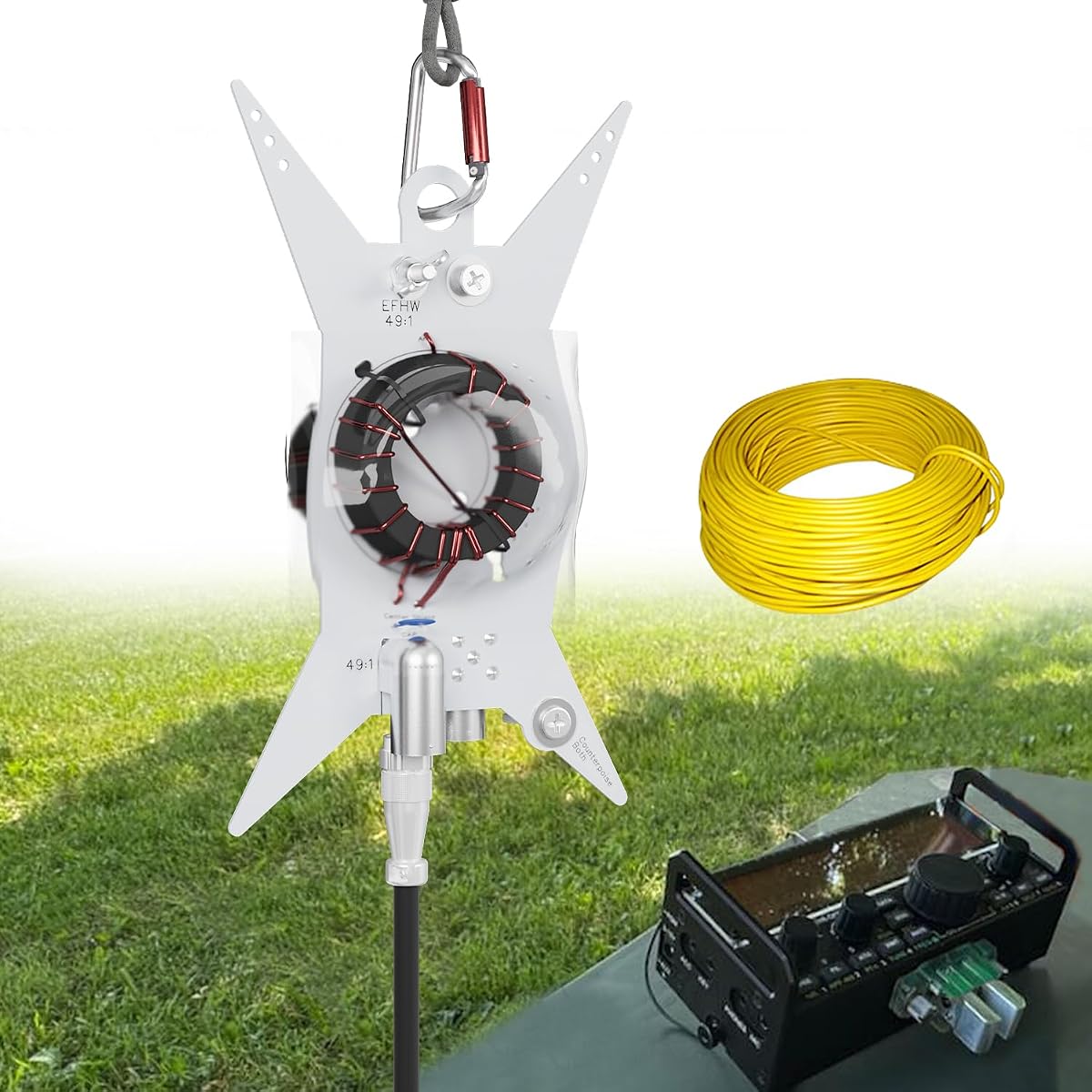
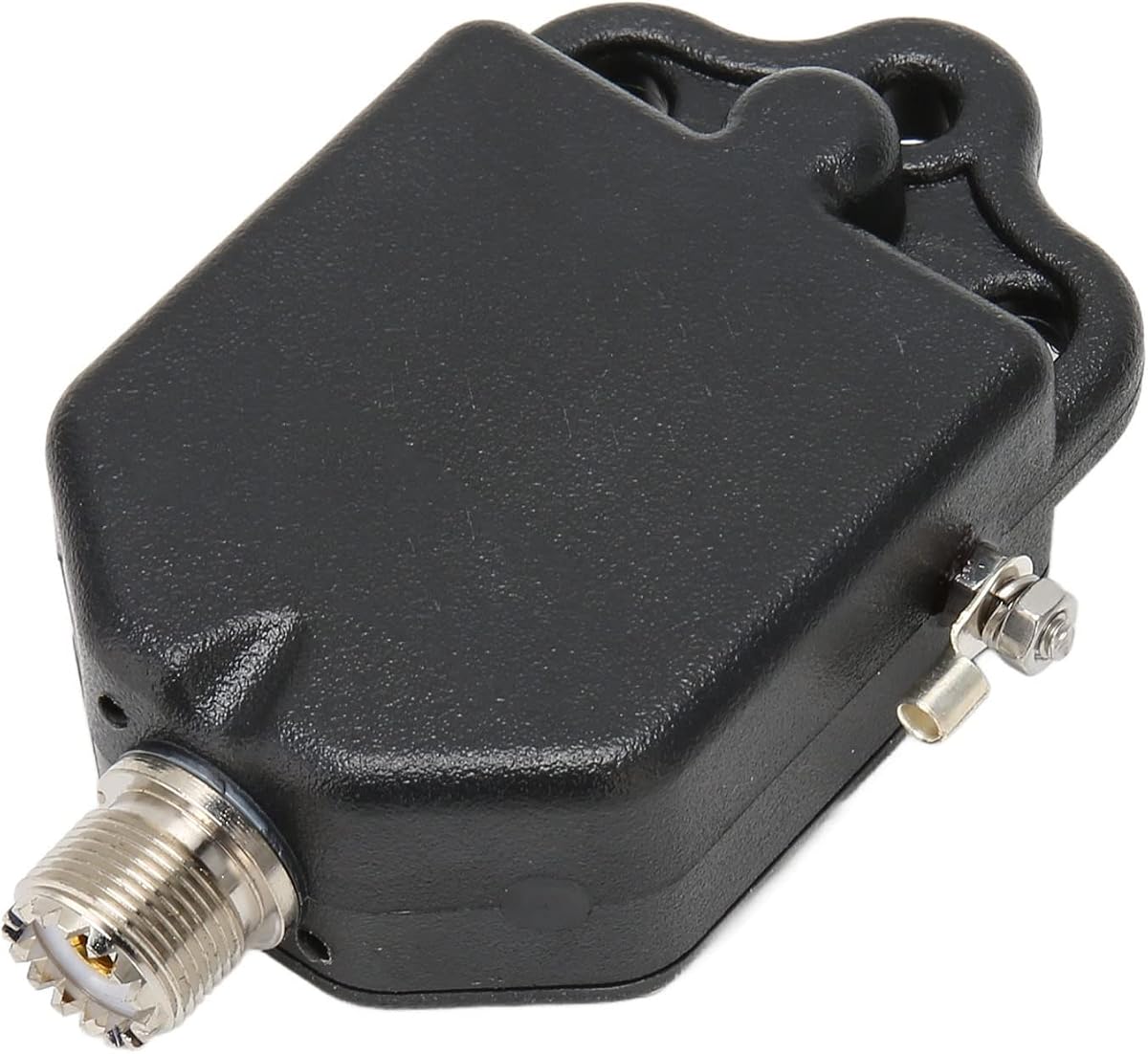
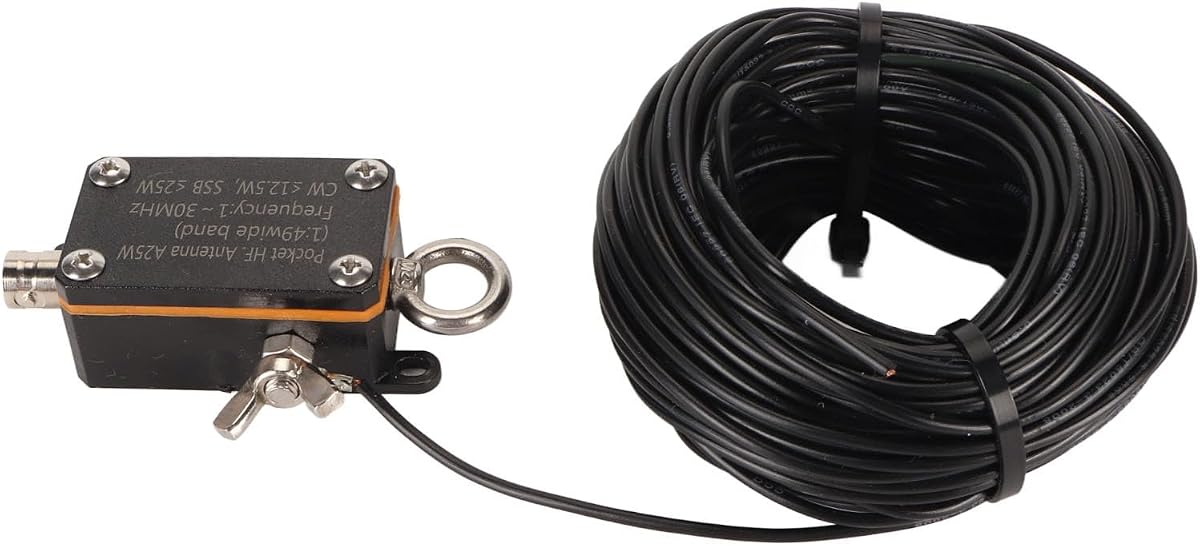


This model stands out as a top contender for serious ham radio operators due to its robust design and reliable performance across multiple HF bands. It carries a high rating among users who value consistency and ease of use in field environments.
We may earn a commission when you buy through this link, at no additional cost to you.
The integrated 1:64 balun allows for efficient operation without the need for an external tuner, which simplifies setup for both beginners and experienced enthusiasts. Its ability to handle up to 150W on SSB makes it suitable for a wide range of power applications.
While it offers exceptional durability and a unique natural cooling design, users should ensure adequate clearance from metal surfaces to maintain optimal SWR levels. This trade-off is acceptable given the stability and longevity it provides over time.
If you are looking for an antenna that balances performance with portability for POTA or home station use, this model is a strong recommendation. It delivers reliable contacts and handles diverse weather conditions effectively.
The 1:64 balun ensures efficient signal transfer across bands, minimizing loss and maximizing transmission efficiency without extra equipment.
Constructed with an ABS shell and waterproof connector, it maintains stability during rain or harsh outdoor exposure for long-term use.
We may earn a commission when you buy through this link, at no additional cost to you.
This antenna offers a unique dual-sided design that caters to both resonant and random wire setups, providing flexibility for different operational needs. It is rated lower than some alternatives but still serves well for specific field applications.
We may earn a commission when you buy through this link, at no additional cost to you.
The ability to switch between 49:1 and 9:1 ratios allows operators to adapt to various frequency bands and wire lengths. Its compact and lightweight nature makes it ideal for quick deployments during outdoor expeditions.
However, the lower rating suggests there may be inconsistencies in build quality or performance compared to premium models. Users should weigh the convenience of dual mode against potential reliability concerns when making a selection.
For those who need a portable option with multiple configuration choices, this model provides a solid middle ground. It is best suited for temporary setups where weight and size are critical factors.
Having two transformer ratios in one unit allows you to match different antenna types without carrying multiple devices.
The lightweight build ensures you can carry it easily in a backpack for hiking or emergency communication scenarios.
We may earn a commission when you buy through this link, at no additional cost to you.
With a strong rating and affordable price point, this model delivers excellent value for operators seeking a dual-mode solution. It combines the benefits of 49:1 and 9:1 transformers in a single unit designed for ease of use.
We may earn a commission when you buy through this link, at no additional cost to you.
Its construction focuses on durability with windproof and rainproof features, ensuring it can withstand varied weather conditions. The compact size makes it highly portable for camping or SOTA activations.
Users may need to trim wires to specific lengths for optimal performance on certain bands. While the instructions are basic, the straightforward design minimizes complexity for most amateur radio enthusiasts.
This antenna is an ideal choice for those wanting a reliable dual-mode system without a high cost. It balances performance and practicality effectively for general field operations.
You get two transformer options at a budget-friendly price, making it accessible for beginners or secondary setups.
The simple hanging options allow for rapid installation between trees or poles in minutes.
We may earn a commission when you buy through this link, at no additional cost to you.
This model is engineered to cover a broad frequency range from 1MHz to 30MHz, making it a versatile option for general HF communication. It supports both 4-band and 8-band configurations to suit different wire length requirements.
We may earn a commission when you buy through this link, at no additional cost to you.
The ABS material ensures high hardness and resistance to wear, contributing to a long service life even in demanding conditions. Its compact size and standard interface simplify installation for users with limited space.
While it handles 100W for SSB, digital modes like FT8 have lower power limits that operators must respect to avoid damage. This limitation is common for compact antennas but requires awareness during transmission.
For those needing a wide coverage antenna that fits easily into a backpack, this is a practical choice. It delivers stable reception and handles moderate power levels effectively for most hobbyist applications.
Operating from 1MHz to 30MHz covers nearly all HF amateur bands, providing flexibility for various contacts.
The small design allows it to fit in tight spaces without sacrificing operational range.
We may earn a commission when you buy through this link, at no additional cost to you.
Designed specifically for portability, this short antenna fits easily into a pocket or small bag for emergency or field use. It operates across the 1-30MHz range, offering broad coverage despite its small form factor.
We may earn a commission when you buy through this link, at no additional cost to you.
The PVC construction provides high hardness and resistance to damage, ensuring it remains functional over time. Its standard interface makes it compatible with most transceivers without requiring adapters.
However, the power handling is limited to around 25W for SSB, which may not be sufficient for high-power operations. This makes it best suited for low-power digital modes or casual voice contacts.
If your primary goal is having a backup antenna that takes up minimal space, this model excels. It is ideal for scenarios where weight and volume are the most critical considerations.
Its compact size means you can keep it ready in your kit at all times without bulk.
While limited in watts, it provides reliable performance for low-power and digital modes.
We may earn a commission when you buy through this link, at no additional cost to you.
This model holds a perfect rating from users, indicating high satisfaction with its performance as a long wire antenna. It covers the HF range from 80m to 6m, offering extensive reach for amateur radio communications.
We may earn a commission when you buy through this link, at no additional cost to you.
The long wire design allows for effective signal propagation across multiple bands when used with a tuner. Its lightweight nature makes it simple to deploy in remote locations where space is available.
While specific construction details are not fully disclosed, the high rating suggests consistent quality and reliable results. Operators should ensure proper grounding and impedance matching for best performance.
For those seeking a straightforward long wire solution that delivers on its promises, this is a top option. It is well suited for outdoor operations where length can be fully utilized.
The perfect rating reflects trust in its ability to perform consistently in real-world scenarios.
Covering from 80m to 6m provides access to most amateur bands for versatile communication.
We may earn a commission when you buy through this link, at no additional cost to you.
This model delivers exceptional value with a high rating and robust features at an affordable price point. It operates across a wide 1-30MHz range and supports multiple modes including CW, SSB, and digital formats.
We may earn a commission when you buy through this link, at no additional cost to you.
The optimized 1:64 matching ratio reduces signal loss and enhances reception efficiency, ensuring stable quality even over long distances. Its compact size and lightweight ABS material make it easy to carry and set up quickly.
Users may need to fine-tune the wire length for specific bands to achieve optimal SWR levels. This minor effort is worthwhile given the performance and cost efficiency the antenna provides.
For budget-conscious operators who do not want to compromise on power handling, this is an excellent choice. It balances affordability with the reliability needed for serious field use.
The matching ratio ensures minimal signal loss, helping you reach further with less power.
Compact design allows you to set up and start transmitting in minutes without complex tools.
We may earn a commission when you buy through this link, at no additional cost to you.
Featuring a waterproof ABS shell, this antenna is built to withstand harsh weather conditions while maintaining stable performance. It operates across a wide frequency range and supports 4-band and 8-band configurations for flexibility.
We may earn a commission when you buy through this link, at no additional cost to you.
The 1:64 balun provides optimized matching to reduce signal loss and improve efficiency. Users can expect reliable operation up to 150W for SSB, making it suitable for powerful transmission needs.
While it is designed for simple installation, some users may find wire trimming necessary for precise tuning on certain bands. This is a standard requirement for end-fed designs and does not detract from its utility.
If you need an antenna that can handle rain and wind without degradation, this is a strong candidate. Its durability and power handling make it a versatile choice for long-term outdoor use.
The ABS shell protects internal components from moisture, ensuring consistent performance during rain.
Supporting both 4-band and 8-band setups allows customization based on your preferred wire length.
We may earn a commission when you buy through this link, at no additional cost to you.
This model is marketed as a professional solution with a dedicated 1:64 balun for broadband multiband performance. It covers the entire 1-30MHz range, allowing seamless operation across most HF bands without a tuner.
We may earn a commission when you buy through this link, at no additional cost to you.
The compact design and standard interface make setup quick and hassle-free for various operators. Its ABS material ensures resistance to wear, contributing to durability during repeated field deployments.
While it supports up to 100W for SSB, users should verify wire preparation guidelines to ensure optimal performance. Proper trimming is essential to maximize the benefits of the matching system.
For those seeking a no-nonsense antenna that covers broad frequencies effectively, this is a solid choice. It combines professional-grade features with ease of use for everyday communication.
The 1:64 balun is tuned to ensure efficient power transfer across the entire HF spectrum.
The compact design reduces the time needed to rig the antenna in the field.
We may earn a commission when you buy through this link, at no additional cost to you.
This premium model features a resonant wire design that offers natural resonance across eight bands from 3.5MHz to 29.7MHz. It handles up to 150W for SSB and CW, making it a robust option for high-power operations.
We may earn a commission when you buy through this link, at no additional cost to you.
The conductive wire is cold drawn multi-strand copper, ensuring excellent conductivity and durability over time. The 64:1 balun provides reliable impedance matching without the need for an external tuner.
While the fixed wire length limits flexibility compared to random wire options, it simplifies setup for those who prefer resonant antennas. The weight is higher than compact models but contributes to its ruggedness.
If you seek a high-quality antenna that requires minimal tuning and handles high power well, this is a top choice. It is ideal for users who value long-term stability and professional-grade materials.
Cold drawn copper wire enhances signal efficiency and reduces loss during transmission.
Eight bands of natural resonance cover most amateur HF frequencies for versatile use.
We may earn a commission when you buy through this link, at no additional cost to you.
Selecting the right end fed antenna involves considering several key factors to ensure it meets your operational needs and environment.
The impedance transformer ratio, such as 1:64 or 1:49, determines how well the antenna matches your radio's output. A proper match ensures efficient power transfer and reduces signal loss.
Look for models with a high-quality balun that supports your intended frequency range for optimal performance.
Antennas vary in their maximum power ratings, often differing between SSB, CW, and digital modes. Ensure the model supports your radio's output to prevent damage during high-power transmissions.
Choose an antenna with sufficient power capacity for your typical operating style.
Some antennas are designed for specific bands like 10m or 40m, while others cover the full HF spectrum. Consider which bands you use most frequently when selecting a model.
Select a model that aligns with your primary communication needs for reliable contacts.
Construction materials like ABS or PVC affect the antenna's resistance to weather and physical stress. Waterproof connectors and UV-resistant housing extend the lifespan in outdoor conditions.
Prioritize models with robust materials for long-term outdoor use.
Field operators often need lightweight and compact designs that fit easily into a backpack. Heavier units may offer better stability but can be cumbersome for hiking or SOTA.
Pick a size that balances performance with your transport requirements.
Some models require wire trimming or external tuners, while others offer plug-and-play simplicity. Consider how much time you want to spend on setup during deployments.
Choose a design that matches your technical comfort level and setup time constraints.
Versatility in mounting such as horizontal, vertical, or diagonal affects where you can deploy the antenna. Secure attachment points and flexible balun placement improve adaptability.
Ensure the antenna offers mounting flexibility for your typical operating environment.
Prices vary widely based on features and build quality. Balance your financial constraints with the performance and durability you require for consistent operation.
Invest in a model that offers the best value for your specific usage needs.
To install your antenna, find a high point such as a tree branch or mast to hoist the wire end. Use a secure rope or line to keep the antenna clear of ground objects and metal surfaces.
Check your SWR regularly with an analyzer to ensure the system is performing efficiently. Adjust wire length slightly if you notice high readings on specific bands.
Store the antenna in a dry place when not in use to prevent corrosion and damage. Inspect the wire and connectors every few months for signs of wear or looseness.
Many end fed antennas include a built-in transformer that eliminates the need for an external tuner on specific bands. However, some models may still require a tuner for broader frequency coverage or random wire setups.
For optimal performance, it is recommended to hang the end fed antenna at least 3 meters away from metal objects and structures. Height above ground also impacts performance, so higher is generally better.
Wire lengths vary by model and band. Half-wave designs often come with pre-cut wires for specific bands, while random wire models allow flexibility with trimming.
Yes, end fed antennas can be used indoors, but performance may be limited by surrounding objects. Ensure the wire is kept away from metal fixtures and electrical interference for best results.
Many models feature waterproof connectors and weather-resistant housings designed for outdoor use. Always check specific product details to confirm the level of water protection provided.
Power handling varies by model and mode. Some support up to 150W for SSB but less for digital modes. Always verify the rating for your intended transmission mode to avoid damage.
These ratios represent different impedance matching ratios. 1:64 is often used for higher impedance random wires while 1:49 may suit certain resonant designs. Choose based on your specific setup needs.
End fed antennas do not typically require an earth ground like dipoles since they are self-contained. However, grounding your radio equipment is still a good practice for safety and noise reduction.
We have reviewed ten top models that cover a range of needs from budget-friendly options to premium resonant designs. Each antenna offers unique strengths in performance, durability, and ease of use.
When making your choice, prioritize power handling and band coverage that match your typical operations. Consider how much portability you need versus stability for a permanent station.
Please note that product availability and pricing may change over time. Check current listings for the most up-to-date information before finalizing your purchase.