As an Amazon Associate we earn from qualifying purchases. We may earn a commission when you buy through links on this page, at no additional cost to you. Read our affiliate disclosure.As an Amazon Associate we earn from qualifying purchases.Purchases through our links may earn us a commission, at no extra cost to you. Read our affiliate disclosure.
Maintaining stable water chemistry is vital for fish health. A reliable Aquarium Ph Tester helps you monitor acidity levels quickly. Without proper testing, harmful fluctuations can stress or even harm your aquatic pets over time.
We evaluated ten top-rated testers based on accuracy, ease of use, and durability. Our comparison includes digital meters, liquid kits, and test strips. Each option serves different budgets and testing frequencies for home aquariums.
Each pick highlights key strengths and ideal use cases for your tank. Note that prices and availability change frequently on Amazon. Always check the current listing for the most up-to-date information before purchasing your next testing tool.
Top 3 Picks for Best Aquarium Ph Testers
Best Budget
AAwipes 8-in-1 Aquarium Test Kit for Fish Tanks – Quick & Accurate Water Testing Strips for Aquariums & Ponds. Tests pH, Ammonia, Alkalinity, Hardness, Chlorine, etc. (K02-50)
The following table compares all ten Aquarium Ph Testers side by side. Review the specifications, test counts, and key features to find the right match for your freshwater or saltwater setup.
The API PH TEST KIT stands out as a leading choice for freshwater aquarium owners seeking reliable water quality monitoring. With a rating of 4.6 stars, it consistently delivers accurate readings within its intended pH range of 6.0 to 7.6. This kit simplifies the testing process, making it accessible even for beginners who want to ensure their fish are safe.
Pros
Highly accurate for freshwater
Long lasting supply
Easy drop testing method
Trusted brand reputation
Cons
Only for freshwater
Color matching requires good light
We may earn a commission when you buy through this link, at no additional cost to you.
One of its greatest strengths is the generous supply of 250 tests, which means you can perform weekly monitoring without frequent replacements. The liquid testing method offers greater precision compared to many test strips, helping you detect subtle pH fluctuations caused by fish waste or tap water additions. The included color card allows for quick and easy comparison right at your tank.
While the kit is excellent for freshwater setups, it is important to note it does not cover high pH ranges needed for saltwater or cichlid tanks. Additionally, accurate color matching requires sufficient lighting to interpret the results correctly. However, these minor limitations are acceptable given the overall reliability and cost-effectiveness of the product.
If you maintain a standard freshwater aquarium and want a trusted tool for weekly checks, this kit is an ideal purchase. It provides peace of mind by helping you prevent invisible water problems before they harm your fish. For most home aquarists, this is the go-to solution for consistent pH management.
Reliable Freshwater Monitoring
Designed specifically for freshwater aquariums, this kit ensures pH levels stay within the safe zone for most community fish. The color change reaction is clear and easy to read with proper lighting.
Cost Effective Long Term
With 250 tests included in the set, the cost per test is extremely low. This makes it affordable to maintain a strict testing schedule without spending a fortune on supplies.
The AAwipes 8-in-1 Aquarium Test Kit is a fantastic option for hobbyists looking for a quick and affordable way to monitor various water parameters. Rated at 4.3 stars, it offers a broad range of tests including pH, Ammonia, Alkalinity, and Hardness in a single strip. This versatility makes it a convenient choice for both freshwater tanks and outdoor ponds.
Pros
Tests multiple parameters at once
Very affordable price
Fast results in minutes
Great for ponds and tanks
Cons
Less precise than liquid kits
Strip expiration can be tricky
We may earn a commission when you buy through this link, at no additional cost to you.
Its key advantage lies in its efficiency. You can test multiple aspects of water quality simultaneously, saving time compared to running separate liquid tests. The process is straightforward: dip the strip, wait a few seconds, and compare the colors to the chart. This speed is ideal for frequent checks when you suspect water quality issues.
On the downside, test strips generally offer less precision than liquid drop kits. While they are excellent for trend monitoring, they might not catch subtle fluctuations as accurately. Also, keeping the bottle tightly sealed is crucial to prevent moisture from ruining the strips before you finish them. Despite this, it remains a strong budget pick.
This kit is perfect for beginners or those with multiple tanks who need a quick snapshot of water health. It saves time and money while providing enough data to spot potential problems early. If your priority is speed and cost, this is an excellent starting point for your testing routine.
Multi Parameter Convenience
Testing pH alongside Ammonia and Hardness on one strip saves significant time. You get a comprehensive water health report without needing to open multiple bottles.
Versatile Application
This kit works well for both indoor aquariums and outdoor ponds. Its robust design ensures it functions reliably in various freshwater environments without specialized setup.
For those seeking professional grade accuracy in a digital format, the APERA INSTRUMENTS AI209 is a top-tier choice. With a 4.4 star rating and waterproof design, it offers consistent readings that are essential for sensitive setups. The device features automatic temperature compensation, ensuring that your pH results remain accurate regardless of water temperature fluctuations.
Pros
High accuracy digital reading
Waterproof construction
Auto temperature compensation
Long battery life
Cons
Higher price than analog
Requires buffer maintenance
We may earn a commission when you buy through this link, at no additional cost to you.
This meter stands out due to its ease of calibration and rugged construction. It comes in a protective carrying case with buffers, making it ready for use right away. The auto-recognition of stable values means you do not have to guess when to hold a measurement. This feature significantly reduces user error during the testing process.
The main trade-off is the higher cost compared to simple test strips or liquid kits. Additionally, digital probes require regular cleaning and calibration to maintain their accuracy over time. If you neglect maintenance, the readings may drift. However, for serious hobbyists, these requirements are small sacrifices for the high level of data precision provided.
If you manage a large system, a breeding tank, or need precise data for research, this premium meter is worth the investment. It eliminates the guesswork of color charts and provides clear digital numbers. For professionals or advanced aquarists, this tool offers the reliability needed to make informed water management decisions.
Digital Precision
Digital displays remove the ambiguity of color matching. You get exact numbers to track trends over time with greater clarity and confidence.
Durable Design
The waterproof body ensures the device can withstand splashes or accidental drops near the tank. This durability makes it suitable for busy environments like public aquariums.
This kit is specifically designed for aquariums that require higher pH levels, such as marine setups or African Cichlid tanks. With a 4.6 star rating, it accurately reads between 7.4 and 8.8, filling a critical gap left by standard freshwater testers. The liquid testing method ensures that you get reliable data for these specific environments.
Pros
Ideal for high pH needs
Trusted brand accuracy
160 test supply
Easy to use drops
Cons
Only tests specific range
Liquid handling required
We may earn a commission when you buy through this link, at no additional cost to you.
The inclusion of 160 tests means you can monitor your saltwater system consistently over many months. This reliability is key to preventing the drastic pH swings that can occur in marine tanks due to biological filtration. The simple drop test format allows for quick weekly checks to ensure your tank remains stable.
While it is highly accurate for its target range, it is not suitable for standard freshwater tanks below 7.4. You would need a separate kit for lower ranges. Also, like all liquid tests, you must handle the bottle carefully to avoid contamination. Still, for specific high pH applications, it is indispensable.
If you keep marine fish or live rock that requires stable alkalinity, this tester is a must-have. It gives you the confidence to maintain the correct environment for sensitive species. For saltwater hobbyists, it provides a consistent and trusted way to verify water quality without complex equipment.
Marine Tank Safety
Marine environments require tight pH control. This kit helps you maintain the 7.4 to 8.8 range essential for coral and saltwater fish health.
Consistent Reliability
The drops produce a distinct color change that is easy to match. You can track pH fluctuations accurately week after week with consistent results.
This digital pen offers a convenient way to test pH levels with high accuracy and minimal setup. Rated at 3.9 stars, it is pre-calibrated for immediate use, making it attractive for those who want quick results. The compact design allows you to store it easily in a drawer or toolbox for whenever you need a fast check.
Pros
Ready to use out of box
Small and portable
Fast stabilization
Multi-purpose use
Cons
Average user reviews
Requires careful calibration later
We may earn a commission when you buy through this link, at no additional cost to you.
It features a broad range of 0 to 14 pH, suitable for almost any water testing scenario. The display shows precise readings with ±0.01 accuracy. While the manual mentions specific calibration steps for optimal accuracy, many users find it works well straight away. It is a great backup tool for checking water quality quickly.
One downside is that the pre-calibration may drift over time if the meter is used frequently. You may need to perform a new calibration using the provided powders to maintain the highest precision. Also, the probe needs to be kept moist when stored to ensure it functions correctly. Proper care is essential.
This pen is ideal for travel or for testing multiple tanks in quick succession. Its portability means you can take it with you if you move tanks or visit other hobbyists. For occasional use or spot checks, it provides a reliable digital readout without the complexity of full meters.
Portability
The small size makes it easy to carry anywhere. You can keep it in a pocket for on-the-go testing without needing a bulky kit.
Pre-Set Accuracy
The factory calibration allows for immediate testing. This saves time for those who do not want to spend extra time setting up before use.
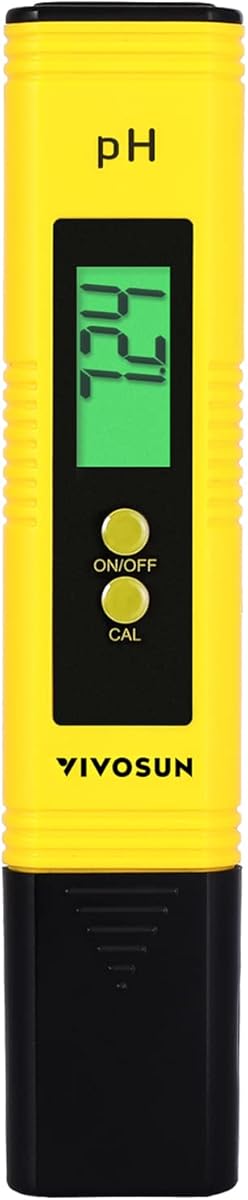
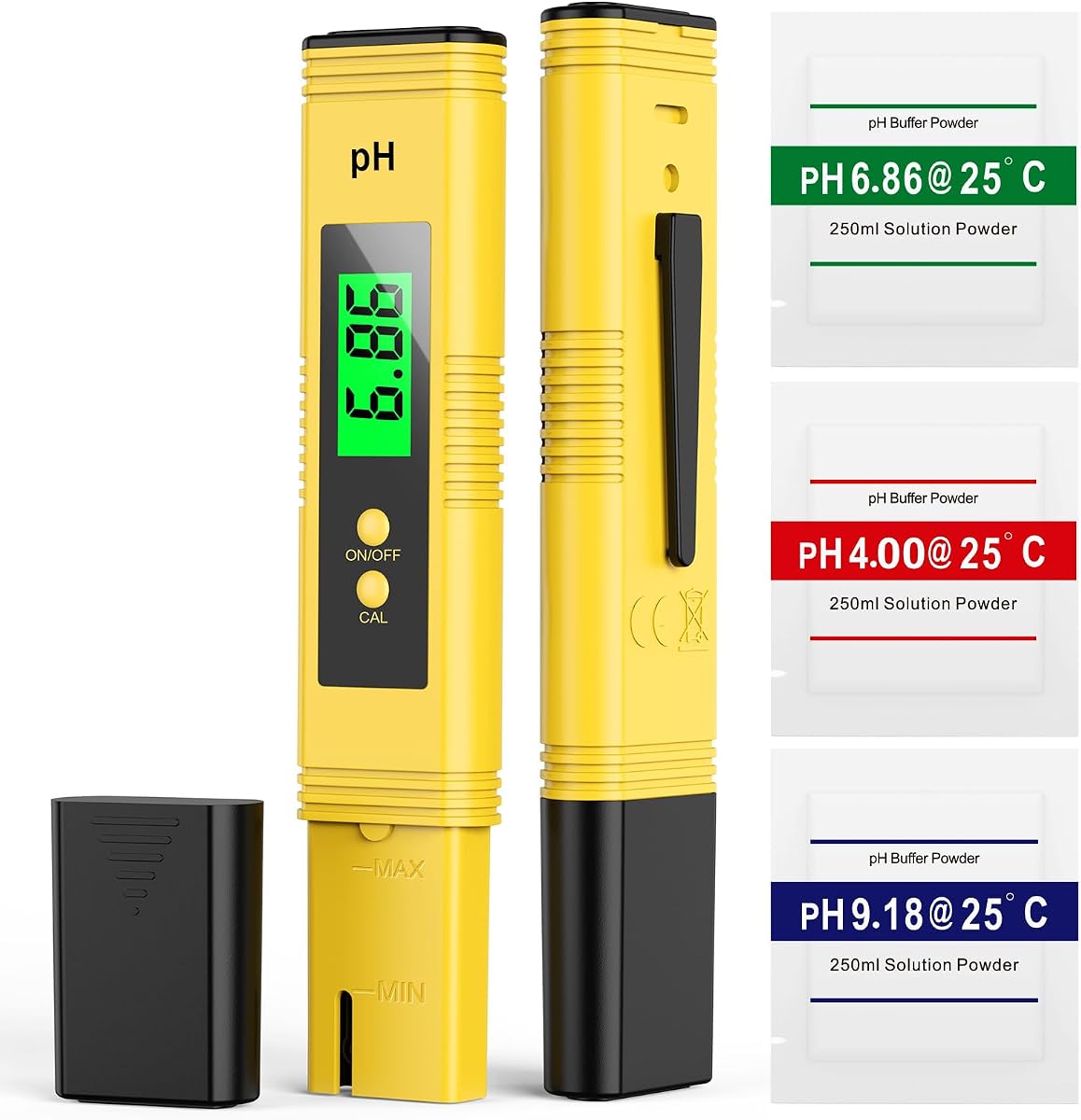
The VIVOSUN Digital pH Meter offers a balance of performance and affordability for digital testers. With a rating of 3.8 stars, it includes Automatic Temperature Compensation which is crucial for accurate readings across different environments. This feature adjusts the reading based on water temperature, ensuring reliability even when the tank is not at room temperature.
Pros
Auto Temperature Compensation
Lightweight and portable
LCD screen easy reading
Affordable price
Cons
Probe care is critical
Requires regular calibration
We may earn a commission when you buy through this link, at no additional cost to you.
Its lightweight and portable design makes it easy to handle during testing. The LCD screen displays readings clearly, and the backlit function helps in low-light conditions. It comes with calibration powders and batteries, so you have everything needed to start testing immediately. It is a solid choice for hydroponics and aquarium users alike.
However, maintaining the probe is important to ensure consistent results. If left dry for too long, the sensor may degrade or give erratic readings. Regular calibration is also necessary to keep the 0.01 accuracy level. Users must be willing to invest time in maintenance for the device to perform well over months.
This meter is best for hobbyists who want digital convenience at a lower price point. The ATC feature sets it apart from cheaper alternatives. If you are willing to follow care instructions, it provides reliable daily monitoring for your water systems. It is a practical tool for routine checks.
Temperature Compensation
Automatic adjustments mean you get accurate results regardless of tank temperature. This ensures you do not mistake temperature shifts for pH changes.
Clear Readability
The LCD screen ensures you can see the exact number clearly. There is no guesswork involved in reading the pH level during testing.
This tester is a robust tool for various water quality applications. Rated at 3.9 stars, it covers the full pH range from 0 to 14, making it versatile for any tank or pool. The inclusion of Automatic Temperature Compensation ensures that your readings stay consistent even if your water is warmer or cooler than room temperature.
Pros
Full pH range support
Automatic temperature compensation
Versatile for pools
Ready for immediate use
Cons
Probe activation time needed
Battery included but weak
We may earn a commission when you buy through this link, at no additional cost to you.
The unit is designed to be ready for use immediately. It includes a new battery and comes pre-calibrated. However, for first-time use, you may need to soak the electrode in water to activate it. This step is crucial for ensuring the glass bulb contacts the liquid properly and gives stable results quickly.
While the range is broad, the device is compact and easy to carry around. This makes it suitable for testing swimming pools, RO systems, and aquariums. The main limitation is the need for proper activation and maintenance of the sensor. If you skip the soaking step, readings may take longer to stabilize.
This is a good option for users who need one tool for multiple water systems. Its broad range and ATC features make it a reliable choice for home monitoring. For consistent accuracy, just ensure you follow the activation instructions carefully. It is a practical investment for household water testing.
Universal Range
Testing any water source is possible with the 0 to 14 range. This flexibility means you do not need separate testers for different tanks.
Quick Activation
Soaking the probe ensures quick and stable readings. Following the activation instructions helps you get accurate data faster than waiting for stabilization.
This 2025 model stands out with its UL Certification, providing peace of mind regarding safety and quality. Rated at 3.8 stars, it is marketed as a trusted tool for home water and hydroponics use. The high accuracy precision of 0.01 makes it suitable for users who need precise monitoring of their water systems.
Pros
UL Safety Certified
High 0.01 precision
Includes calibration powders
Great home tool
Cons
Price may vary
Calibration can be complex
We may earn a commission when you buy through this link, at no additional cost to you.
The product includes three pH calibration powders to help maintain its accuracy over time. This addition is helpful for users who want to ensure the meter remains precise without buying extra supplies. The instructions emphasize regular cleaning of the electrode to prevent contamination. This care is essential for long-term performance.
The design is simple enough for beginners but precise enough for more serious hobbyists. You can test household water, pools, or aquariums with confidence. The main drawback is that proper calibration requires patience. If the device sits unused for a day, you must soak the electrode to reactivate it before use.
This meter is a solid choice for those prioritizing safety and precision in their water testing. The UL certification adds a layer of trust not always found in generic meters. If you maintain your device regularly, it offers excellent performance for various testing needs around the home and garden.
Safety Standards
The UL Certification ensures the meter meets rigorous safety standards. This reliability is important when using electrical devices near water sources.
Precision Performance
With 0.01 precision, you can detect small changes in pH levels. This high resolution helps you react before water quality drops below safe limits.
Seachem pH Alert offers a unique solution for constant pH monitoring without daily testing. With a 4.2 star rating, it works by continuously monitoring pH in freshwater tanks. This strip sticks to the glass and changes color based on pH levels. It is ideal for hobbyists who want to track trends without active testing.
Pros
Continuous monitoring
Easy to install
Lasts for months
No active testing
Cons
Less precise than digital
Color reading requires care
We may earn a commission when you buy through this link, at no additional cost to you.
The main advantage is convenience. You do not need to dip strips or add drops. Instead, you simply look at the strip and compare the color to the card. It lasts up to 4 times as long as competing products, which makes it cost-effective for long-term monitoring. It is especially useful for spotting sudden drops.
While it does not provide exact numbers like a digital meter, it gives a good range indicator. If the color changes drastically, it signals that a water change or treatment is needed. However, lighting conditions can affect how you read the color. Still, for passive monitoring, it is a reliable and effective tool.
If you struggle with regular testing schedules, this sensor strip is an excellent alternative. It keeps you informed about water stability effortlessly. For long-term monitoring, it provides peace of mind. It is a great addition to any tank where you need to catch pH shifts quickly.
Set and Forget
Install once and check periodically. You do not need to perform active tests, saving effort and keeping the tank environment undisturbed.
Longevity
This sensor lasts for up to 6 months. This durability means you do not need to replace it frequently, reducing waste and cost.
This pen serves as an excellent backup for other testing methods. Rated at 3.9 stars, it provides quick digital readings whenever you need a second opinion. Its compact design allows it to fit into a small drawer. This makes it a convenient addition to your aquarium tool kit.
Pros
Compact and portable
Pre-calibrated
Fast readings
Easy to store
Cons
Maintenance needed
Not for daily use
We may earn a commission when you buy through this link, at no additional cost to you.
It offers high accuracy with ±0.01 precision. While it is pre-calibrated, you should still calibrate it periodically to maintain that accuracy. The ease of use is a major benefit: just turn it on and dip. It is particularly helpful when checking new water batches for water changes.
Since it is small, it is easy to lose or damage if not stored properly. You must ensure it stays moist to keep the probe in good condition. While it may not replace your main tester, it is useful for spot checks. It ensures you have a digital option ready when needed.
For hobbyists who travel or maintain multiple tanks, this pen is a handy extra tool. It helps you verify water quality quickly without setup. As a backup, it adds reliability to your testing routine. It is a practical, low-cost addition for flexible monitoring.
Instant Verification
Get fast digital confirmation of pH levels. You can verify test strips quickly to ensure your liquid tests match digital expectations.
Pocket Friendly
The size allows you to carry it easily. Whether at home or traveling, you have a testing tool ready without taking up space.
We may earn a commission when you buy through this link, at no additional cost to you.
Buying Guide – How to Choose the Best Aquarium Ph Tester
Choosing the right pH tester depends on your tank setup and maintenance preferences. Consider these factors to find the best match for your needs.
Accuracy and Precision
Digital meters generally offer higher precision than test strips or liquid kits. If your tank requires strict pH control, like in breeding setups, look for a device that reads to ±0.01 or ±0.1. Accurate testing prevents harmful fluctuations that can stress fish.
For general maintenance, liquid kits are sufficiently accurate. Choose based on how critical your water parameters are to your specific fish species.
Testing Frequency
How often do you test your water? Frequent testers benefit from durable digital meters or long-lasting liquid kits. If you only test occasionally, test strips or continuous monitors are more cost-effective. Consider the lifespan of your product before buying.
Digital meters may require calibration but offer repeated use. Strips are single-use but cheap for occasional checks.
Ease of Use
Some testers are simpler than others. Digital pens give a one-step reading, while liquid kits require careful mixing and color matching. If you prefer speed and digital values, choose a meter. If you prefer visual trends, strips might be better.
Consider your comfort with technical tools. Simple drop kits are very forgiving for beginners.
Range Coverage
Standard freshwater kits usually cover 6.0 to 7.6, while high range kits cover up to 8.8. Ensure your choice matches your fish requirements. Saltwater and African Cichlid tanks need high range testers to be accurate.
Always check the advertised range. A tester outside its range may give unreliable readings.
Durability and Lifespan
Digital meters can last years if maintained properly, whereas strips expire within months. Look for waterproof models if you plan to use them near tanks. A rugged case protects against accidental drops.
Liquid kits also expire but are shelf-stable if kept cool. Consider storage conditions when choosing.
Cost Effectiveness
Digital meters have a higher upfront cost but can be used thousands of times. Liquid kits have a low upfront cost but require replacement every few months. Calculate the cost per test for your budget.
Strips are cheap upfront but become expensive with frequent testing. Choose the method that fits your long-term budget.
Calibration Requirements
Digital devices need calibration buffers to stay accurate. If you want a plug-and-play solution, ensure the meter includes pre-calibration or easy setup. Some models require you to buy buffers separately.
Test strips need no calibration. If you want zero hassle, stick to strips or continuous monitors.
Water Type Compatibility
Ensure your tester works for your specific water type. Some meters struggle with saltwater or very soft water. Read product descriptions to confirm compatibility with freshwater or marine systems.
Many kits are labeled for freshwater only. Saltwater users should choose specific marine-grade testers.
How to Use and Care for Your Aquarium Ph Tester
For digital meters, calibrate using the included powder before first use. Soak the probe if required. Dip the probe in the water sample and wait for the number to stabilize. Record the reading immediately.
For liquid kits, fill the tube with tank water. Add the solution drops carefully. Cap the tube and invert to mix. Compare the color to the card under good light. Rinse the tube after use.
Always store your tester in a cool, dry place. Keep digital probes moist with storage solution or distilled water. Clean any residue from strips or tubes before they expire.
Frequently Asked Questions
Why is pH testing important for fish?
pH levels determine water acidity and affect fish metabolism. Sudden pH swings can cause severe stress or even death. Regular testing helps you maintain stable conditions and ensures your fish remain healthy.
How often should I test my pH?
Testing once or twice a week is generally sufficient for most tanks. If your fish show signs of stress or after maintenance, test more frequently. Consistent monitoring helps catch issues early.
What is a safe pH range for freshwater fish?
Most freshwater fish thrive between pH 6.5 and 7.5. However, some species prefer higher or lower ranges. Always research the specific needs of your fish to set the right target.
Which is more accurate, digital or liquid kits?
Digital meters are more accurate and consistent than color-matching kits. Liquid kits are reliable if you read colors correctly. For precision, digital tools are the better choice.
Can I use one tester for multiple tanks?
Yes, but rinse your testing equipment thoroughly between tanks to prevent cross-contamination. Using separate test tubes or meters for different water types is safer for accurate results.
Do test strips expire?
Yes, test strips have a shelf life and expire once opened. Keep the bottle tightly sealed and away from moisture. Expired strips may produce inaccurate color changes.
Final Thoughts on Choosing the Best Aquarium Ph Testers
We reviewed ten top Aquarium Ph Testers ranging from budget strips to professional digital meters. The API PH TEST KIT stands out for freshwater tanks, while the APERA model offers premium precision. Each option serves a specific niche in aquarium maintenance.
Your choice depends on your tank type and how much accuracy you need. Beginners often prefer liquid kits for simplicity. Serious hobbyists benefit from digital meters for their reliability and speed. Consider your budget and testing frequency.
Remember to check current prices and availability before buying. Specifications may change over time. Always follow the manufacturer's care instructions to ensure your tester lasts. With the right tool, you can keep your aquarium water safe for fish.
Discover the top rated headphones for kids with volume limit features to protect hearing. We compare durability, comfort, and sound quality for school and