
JOYO Guitar Audio Interface for Phone
4.2Editor score
Direct monitoring with zero latency
Plug and play no drivers
Pocket-sized portability
This guide compares the top 10 audio interfaces for guitar in 2026, evaluating sound quality, latency, compatibility, and value for every type of musician.
Finding the right audio interface for guitar is essential for capturing your performance with clarity and precision. Whether you are recording demos at home or streaming live to an audience, the interface acts as the bridge between your instrument and your computer or mobile device. A good unit ensures low latency, high fidelity, and seamless integration with your existing software.
We have evaluated ten leading models based on their preamp quality, input options, connectivity, and overall value. Our analysis considers how well each interface handles high-impedance instrument signals, supports various operating systems, and includes useful software bundles. This list covers everything from pocket-sized mobile solutions to robust desktop units for serious production.
Each pick in this guide highlights specific strengths such as portability, software inclusion, or professional-grade converters. We focus on real-world usability to help you find the tool that fits your workflow. Please note that availability and pricing can change frequently, so check the product pages for the most current information before purchasing.
4.2Editor score
4.6Editor score

4.4Editor score
This side-by-side comparison highlights the key specifications and capabilities of each interface to help you make an informed decision based on your recording needs and budget.



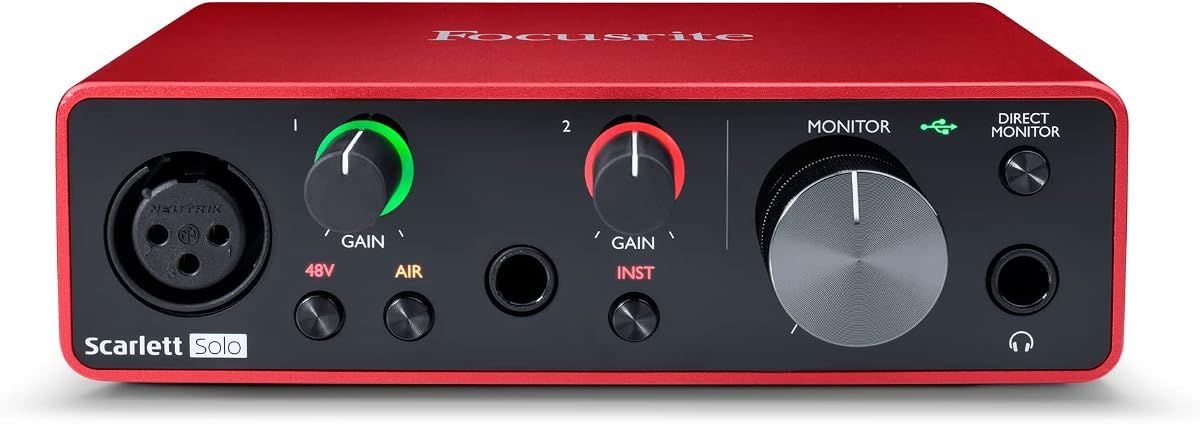
The Focusrite Scarlett Solo 3rd Gen stands out as a top choice for guitarists looking for reliable and high-quality recording. With a strong rating and proven performance, it delivers clear and detailed sound that captures the nuance of every string. Its high-headroom inputs ensure that even heavy distortion remains clean and free from unwanted clipping.
We may earn a commission when you buy through this link, at no additional cost to you.
One of the key strengths of this interface is the inclusion of the Air mode, which adds clarity and presence to acoustic instruments. The Gain Halos provide visual feedback to help you set perfect recording levels instantly. Furthermore, the interface comes bundled with a comprehensive suite of software including Pro Tools Intro+ and Ableton Live Lite, giving you everything needed to start producing immediately.
While it offers fantastic value, the lack of MIDI inputs might limit users who want to control hardware synthesizers directly. Additionally, having only one instrument input means you cannot record guitar and bass simultaneously without external switching. These trade-offs are acceptable for solo musicians who prioritize sound quality and ease of use over complex routing options.
We recommend this interface for home studio owners and songwriters who need a professional-grade starting point. It balances performance with simplicity effectively, making it suitable for both beginners and experienced producers. If you are looking for a dependable unit that integrates seamlessly with your workflow, the Scarlett Solo 3rd Gen is an excellent investment.
The high-performance converters and mic pre-amps ensure that your recordings retain all sonic qualities without noise or distortion.
Included tools like Pro Tools Intro+ and Hitmaker Expansion provide powerful instruments and effects to jumpstart your creative process.
We may earn a commission when you buy through this link, at no additional cost to you.
The JOYO MOMIX CAB offers an incredibly accessible entry point for guitarists wanting to record on their phones. With a low rating and straightforward design, it focuses on delivering a clean signal directly to your headphones without any delay. This direct monitoring feature is essential for practicing and recording without the frustration of latency.
We may earn a commission when you buy through this link, at no additional cost to you.
Its plug-and-play functionality means you do not need to install software or worry about charging batteries. You simply connect the interface to your phone, plug in your guitar, and start recording. The signal indicator light helps you ensure your input levels are correct, preventing distortion before it happens. This simplicity makes it ideal for quick song ideas or live streaming.
However, the interface does not support real-time software amp sims or effects processing, which limits its use for tone shaping during recording. You will need to add effects in post-production or use external pedals. Compatibility on Android devices also requires specific OTG settings to be enabled, which can be a hurdle for some users.
This unit is perfect for travelers or casual players who want to capture ideas on the go without carrying bulky gear. If your priority is portability and a low barrier to entry, the MOMIX CAB delivers unmatched value. It is a practical tool for those who value convenience over advanced studio features.
Your guitar's clean signal is passed straight to the headphone output with zero latency, allowing you to hear yourself instantly.
Smaller than a key, the interface clips securely to your pocket or belt for truly mobile recording anywhere inspiration strikes.
We may earn a commission when you buy through this link, at no additional cost to you.
The M-AUDIO M-Track Duo provides a versatile solution for musicians who need to record multiple sources simultaneously. With a solid rating and practical features, it delivers pristine 48kHz audio quality that suits a variety of recording scenarios. The inclusion of two combo inputs allows you to connect both an instrument and a microphone at the same time.
We may earn a commission when you buy through this link, at no additional cost to you.
One of its primary strengths is the transparent Crystal Preamps, which guarantee optimal sound from both dynamic and condenser microphones. The USB/Direct switch offers flexibility for monitoring, allowing you to hear your dry signal without latency while recording. This ensures that your performance remains tight and in sync with the software.
While it is a strong contender, the lack of USB-C connectivity might be a drawback for newer laptops that do not include standard USB ports. Additionally, the build quality is functional but not as robust as higher-end models. These limitations are minor considering the affordable price point and the included software bundle.
We suggest this interface for podcasters or content creators who need a simple yet effective setup for vocals and guitar. It offers a balanced mix of features and ease of use. If you need to record multiple sources without complex cabling, the M-Track Duo is a dependable choice.
Record guitar, vocals, or line input signals with two combo XLR / Line / Instrument Inputs that accommodate any source.
Get the best out of your microphones with transparent Crystal Preamps and the included MPC Beats software for production.
We may earn a commission when you buy through this link, at no additional cost to you.
The IK Multimedia iRig USB is designed to provide pristine audio quality in a compact package suitable for mobile recording. With a strong rating and versatile connectivity, it captures every nuance of your playing with 24-bit 48kHz resolution. This high resolution ensures that your tracks sound professional and detailed on any playback system.
We may earn a commission when you buy through this link, at no additional cost to you.
Its universal compatibility makes it easy to connect to various devices including Mac, PC, and iPad. The dedicated Amp out allows you to connect to your existing pedal rig while still recording the processed signal digitally. This feature is particularly useful for guitarists who rely on specific hardware tones during recording sessions.
While it offers great connectivity, the reliance on USB-C means you may need adapters for older devices or systems without this port. Additionally, the unit does not support expansion for more inputs. However, for solo artists and creators focused on guitar and vocals, these limitations are often negligible.
We recommend this interface for musicians who need a portable studio solution that works seamlessly with modern apps. It combines robust build quality with essential features for on-the-go recording. If you value mobility and reliable performance, the iRig USB is a practical tool to consider.
Capture every note and chord with studio-grade 24-bit 48kHz resolution that delivers pristine audio quality consistently.
Connectivity is a breeze with the included USB-C cable compatible with Mac, PC, iPad, and the new iPhone 15.
We may earn a commission when you buy through this link, at no additional cost to you.
The MAONO PS22 Lite is tailored for streamers and content creators who need robust recording capabilities for vocals and instruments. With a decent rating and advanced specs, it captures every detail with 24-bit/192kHz resolution and a wide dynamic range. This level of fidelity ensures that your sound remains clear and realistic during broadcasts.
We may earn a commission when you buy through this link, at no additional cost to you.
One of its standout features is the ProStudio Routing Software, which offers control over virtual channels and loopbacks. This is essential for live streaming where you need to manage multiple audio sources simultaneously. The interface also includes intuitive modes for recording and broadcasting, making it easier to switch between tasks without complex configurations.
Despite its advanced features, the software driver setup can be slightly complex for beginners unfamiliar with ASIO configurations. Additionally, the physical layout might lack enough knobs for quick adjustments during a live session. These factors are acceptable trade-offs given the powerful functionality it offers for content creation.
This interface is ideal for streamers who want to upgrade their audio quality without investing in expensive racks. It provides a comprehensive toolkit for managing audio within your computer. If you prioritize software control and high resolution, the PS22 Lite is a strong option to explore.
High-resolution recording at 24-bit/192kHz ensures your sound is as clear and realistic as the original performance.
Take control of your live streams with included software that opens up virtual channels and loopbacks for flexibility.
We may earn a commission when you buy through this link, at no additional cost to you.
The PIYONE 2X2 Interface offers a modern approach to home recording with high-fidelity specs and a sleek design. With a solid rating and versatile inputs, it captures every nuance with professional resolution and a wide dynamic range. The included loopback function adds utility for streamers who want to mix system audio with their instruments.
We may earn a commission when you buy through this link, at no additional cost to you.
Its USB-C class-compliant design eliminates the need for bulky external power supplies or drivers. This class-compliant nature simplifies the setup process significantly, allowing you to plug and play immediately. The illuminated control rings also enhance usability in dimly lit environments while adding a professional look to your desk.
However, the brand is less established than some competitors, which may result in fewer online resources or community support for troubleshooting. Additionally, while the specs are impressive, long-term durability has not been as widely tested as major brands. These considerations are important for buyers prioritizing long-term reliability.
We suggest this interface for those who value modern features and aesthetics without paying a premium price. It delivers professional sound quality for a competitive rate. If you are comfortable exploring new brands for better value, the PIYONE 2X2 is an attractive option.
Experience seamless connectivity with high-performance converters that ensure crystal-clear, low-noise recordings for professional production.
Connect any source with maximum flexibility via two combo jacks and integrated 48V phantom power for demanding mics.
We may earn a commission when you buy through this link, at no additional cost to you.
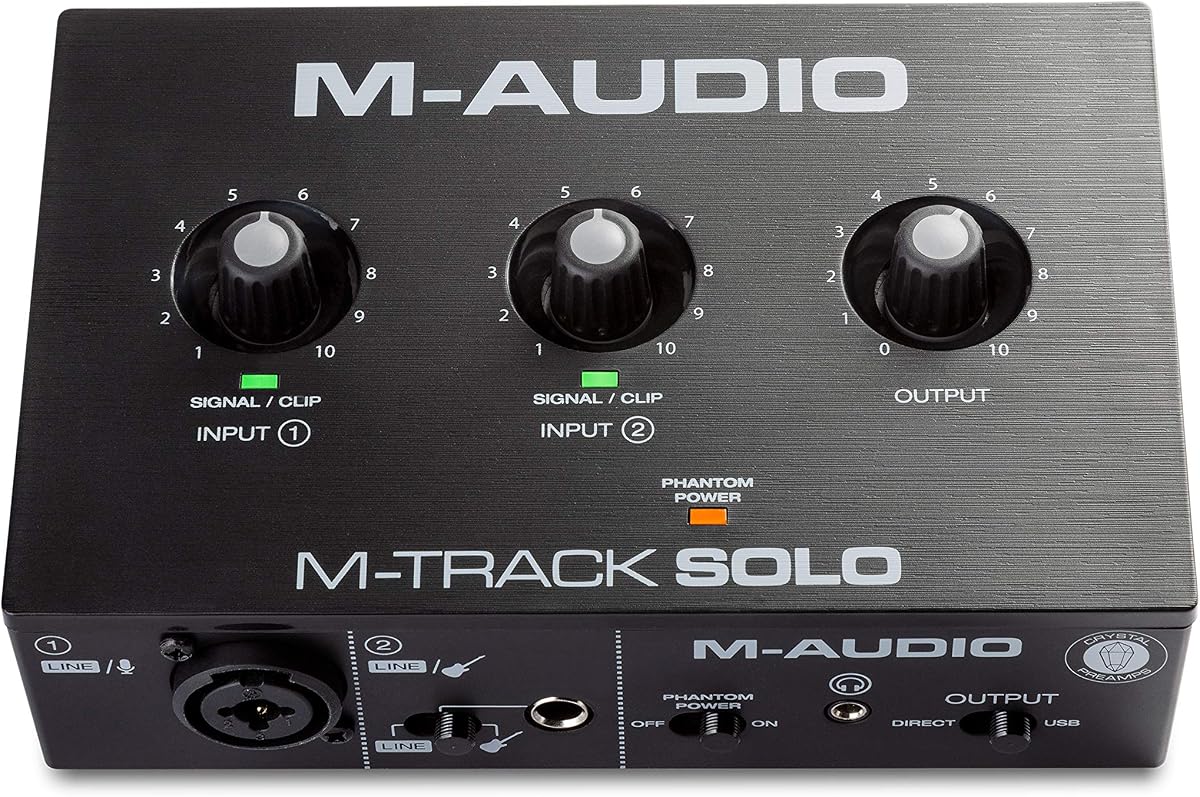
The M-AUDIO M-Track Solo is a solid entry-level option for those starting their home studio journey. With a good rating and essential features, it delivers pristine recording every time with 48kHz audio resolution. It covers all the basics needed for podcasting, recording, and live streaming effectively.
We may earn a commission when you buy through this link, at no additional cost to you.
Its Crystal Preamp ensures that your microphones and instruments receive optimal sound quality without adding noise. The USB/Direct switch facilitates zero latency monitoring, which is crucial for recording tight performances. This simplicity makes it very accessible for beginners who might feel overwhelmed by complex interfaces.
The main limitation is having only one instrument input, which restricts simultaneous recording of guitar and vocals. Also, it lacks modern USB-C connectivity which might limit future-proofing. For simple solo sessions, these constraints are minor compared to the low cost and ease of use.
We recommend this interface for beginners on a tight budget who need a reliable tool for learning recording basics. It provides a good foundation without unnecessary complexity. If you are just starting out and want to produce quality sound quickly, the M-Track Solo is a smart choice.
Record guitar, vocals or line input signals with one combo XLR / Line Input with phantom power and one Line / Instrument input.
Everything you demand from an audio interface for fuss-free monitoring with stereo RCA outputs for total monitoring flexibility.
We may earn a commission when you buy through this link, at no additional cost to you.
The Arturia MiniFuse 1 stands out for its exceptional build quality and comprehensive software bundle. With a high rating and impressive warranty, it offers long-term value and reliability. The 5-year warranty reflects confidence in its robust construction and component selection for professional use.
We may earn a commission when you buy through this link, at no additional cost to you.
It includes MIDI inputs and outputs, which allows you to control synthesizers and drum machines directly. This feature adds significant flexibility for production that extends beyond just audio recording. The loopback function also helps creators mix system audio easily for online content creation.
Despite its strengths, the use of USB-A instead of USB-C may require adapters for newer computers. Additionally, there is only one instrument input which limits recording multiple tracks at once. However, the included software like Ableton Live Lite and Guitar Rig 6 LE adds massive value to the hardware itself.
We recommend this interface for musicians who want a durable and versatile unit with a full creative suite. It is perfect for both beginners and pros who value software integration. If you want a unit that grows with you, the MiniFuse 1 is a compelling option.
Each interface is constructed with robust materials and goes through over 200 reliability tests for better build quality and value.
Includes easy tutorials and creative software like Ableton Live Lite and Analog Lab Intro to help you make great tracks.
We may earn a commission when you buy through this link, at no additional cost to you.
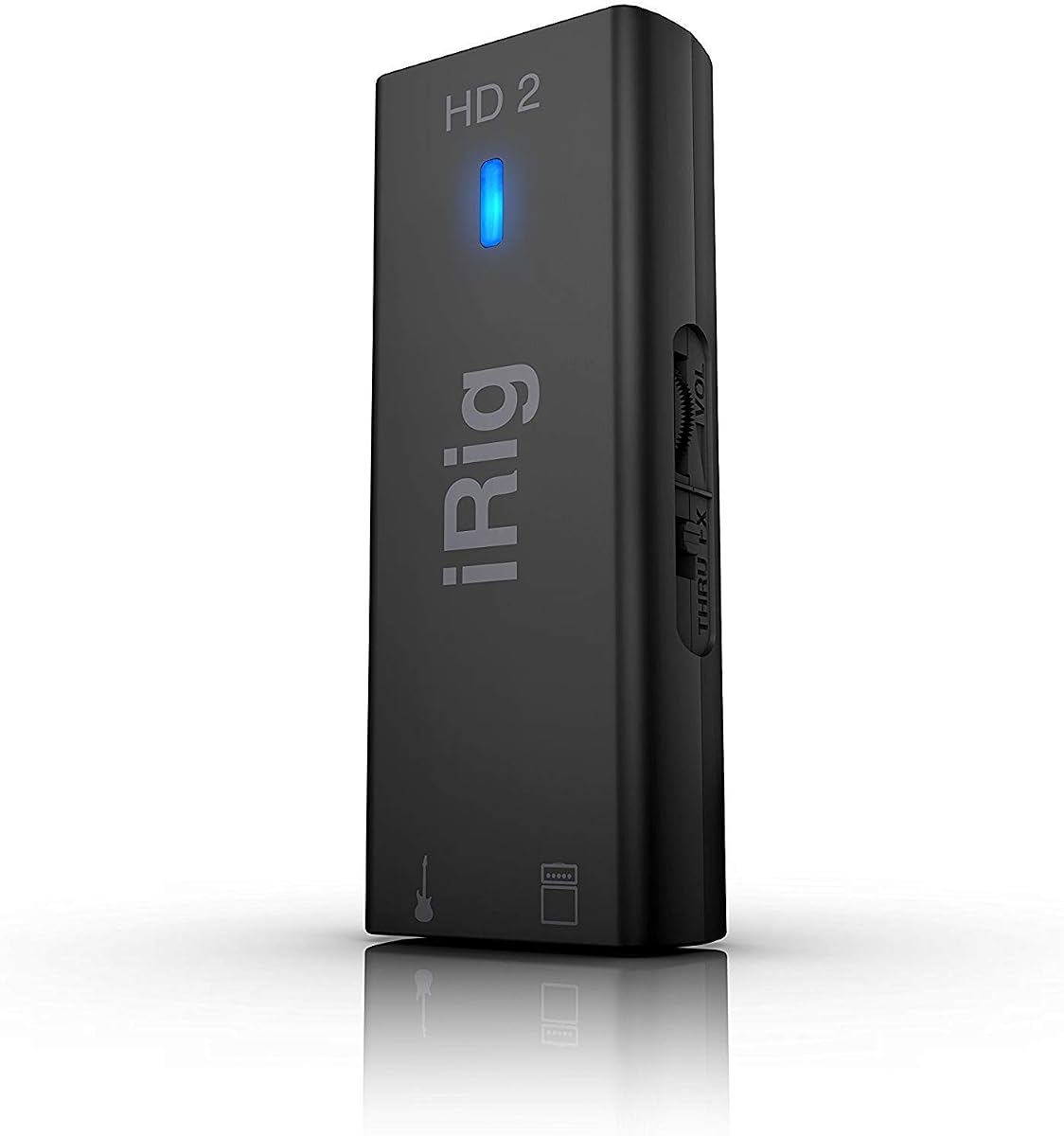
The IK Multimedia iRig HD 2 is renowned for its high-definition digital performance on various devices. With a strong rating and exceptional sampling rate, it ensures distortion-free amplifier recording with 96kHz resolution. This high resolution captures details that lower-end interfaces might miss, giving you a professional sound.
We may earn a commission when you buy through this link, at no additional cost to you.
Its ability to connect to an amplifier without additional accessories is a major advantage for live sound integration. You can use the Amp Out jack with switchable FX settings to maintain your tone chain while recording. The headphone output also lets you practice silently without sacrificing performance quality.
The package includes multiple cables for different devices, but you must ensure you have the right cable for your specific setup. Also, it is designed primarily for mobile and stereo use which might limit multi-track studio expansion. However, for guitarists focused on mobile recording, these are not major hindrances.
We suggest this interface for mobile musicians who want high fidelity and seamless integration with iOS devices. It is perfect for creating high-quality demos on the go. If you prioritize sound quality and ease of connection, the iRig HD 2 is a top contender.
Renowned for its 96kHz sampling rate the interface lets you practice silently without sacrificing performance quality.
Unlock exclusive content inside Amplitude and connect with various cables to work with iPhone, iPad, Mac, and PC.
We may earn a commission when you buy through this link, at no additional cost to you.
The Fender Quantum HD 2 represents the pinnacle of audio fidelity with its ultra-high-fidelity 20 x 24 USB-C capabilities. With a strong rating and advanced specs, it ensures professional clarity using 32-bit/192 kHz converters. This level of precision is unmatched for studio environments where every detail matters.
We may earn a commission when you buy through this link, at no additional cost to you.
One of its standout features is the MAX-HD mic preamps designed for pristine capture of vocals and instruments. The Auto Gain button instantly sets perfect recording levels, reducing frustration and speeding up sessions. The included perpetual license for Fender Studio Pro adds immense value by providing a full suite for mixing and mastering.
While the performance is exceptional, the higher price point and complexity might be overkill for simple home demos. Beginners may find the array of features daunting without guidance. However, for serious producers and hybrid studio owners, these features justify the investment for professional results.
We recommend this interface for musicians who demand the best sound quality and have room for studio growth. It is perfect for hybrid setups and detailed production workflows. If you want professional-grade tools and future-proof expansion, the Quantum HD 2 is a superb investment.
High-performance 32-bit/192 kHz converters ensure professional clarity for studios, creators, and musicians everywhere.
ADAT expansion and S/PDIF I/O add sixteen digital inputs for hybrid studio growth and seamless integration.
We may earn a commission when you buy through this link, at no additional cost to you.
Choosing the right audio interface depends on your specific recording needs, budget, and workflow requirements. Understanding key factors ensures you get the best performance for your setup.
Check if the interface supports Hi-Z instrument inputs for guitar to maintain signal integrity. Having enough inputs allows for recording multiple instruments or vocals simultaneously without external mixers.
Ensure the interface has at least one dedicated instrument input to avoid signal loss.
Higher sample rates and bit depths like 24-bit/192kHz offer better dynamic range and audio fidelity. This ensures your recordings sound clear and professional across all playback systems.
Look for interfaces that support at least 24-bit/96kHz for high-quality recording.
Low latency is critical for recording in real time without hearing delays. Direct monitoring features allow you to hear your instrument directly through the interface without processing delay.
Prioritize models with a physical direct monitor switch for zero-latency tracking.
USB-C is becoming standard for modern laptops and devices offering faster data transfer and bus power. Ensure the interface is compatible with your computer and operating system for plug-and-play ease.
Choose interfaces with USB-C or USB-A depending on your available ports.
Many interfaces include DAW software and plugins that add significant value to the hardware. These tools help you start recording and producing immediately without extra costs.
Check if the package includes a full version or trial of a major DAW.
A robust build ensures the unit survives travel and regular use without failure. A longer warranty provides peace of mind against manufacturing defects.
Look for units made with durable materials and backed by a multi-year warranty.
High-quality preamps amplify your signal without adding noise or distortion. This is especially important for quiet sources or detailed recordings.
Select interfaces with transparent preamps designed for instruments and microphones.
If you record on the go, consider the size and weight of the interface. Compact units fit easily into bags without adding bulk.
Choose a portable design if you need to transport your setup frequently.
To begin using your audio interface, connect it to your computer or mobile device using the recommended USB cable. Install any necessary drivers if required by your system, though many modern units are plug-and-play. Open your preferred recording software and select the interface as your audio device.
Plug your guitar into the instrument input using a standard instrument cable and set the gain knob to a safe level. Use the direct monitoring feature to hear your sound in real time while recording. Adjust the headphone volume as needed for comfortable listening levels.
Store your interface in a cool dry place away from direct sunlight or moisture to protect its electronics. Regularly check cables and ports for dust or damage to ensure optimal performance. Keep your firmware updated through the manufacturer's website for the latest stability improvements.
Yes, an audio interface is essential for connecting your guitar to your computer with high quality. It provides the necessary preamps and digital conversion that built-in computer ports lack.
USB-C offers faster data transfer and reversible plug orientation compared to older USB-A types. Most modern laptops now use USB-C so checking compatibility is important.
Yes, but you need an interface with at least two inputs. Combo inputs allow you to connect both a mic and an instrument simultaneously.
Latency is the delay between playing a note and hearing it through your system. Low latency is critical for recording comfortably without timing issues.
Many modern interfaces are class-compliant and work without drivers on most systems. However, checking specific requirements for your OS is recommended.
Buying new ensures you get the latest features and a full warranty. Used units can be cheaper but may lack support or have worn components.
Bundles can save you significant money by providing essential recording tools immediately. They are a major value add for beginners starting their studio.
We have reviewed ten excellent audio interfaces that cater to different budgets and recording needs. From the versatile Focusrite Scarlett Solo to the affordable JOYO MOMIX CAB, there is a great option for every guitarist.
Prioritize sound quality and ease of use when making your final decision. Ensure the interface fits your workflow and offers the connectivity required for your setup.
Remember to check the current prices and availability as these change frequently. Investing in a reliable interface now will pay off in better sound quality and workflow efficiency.