
3D Printer Platform PEO PET Bambu Lab Build Plate
4.5Editor score
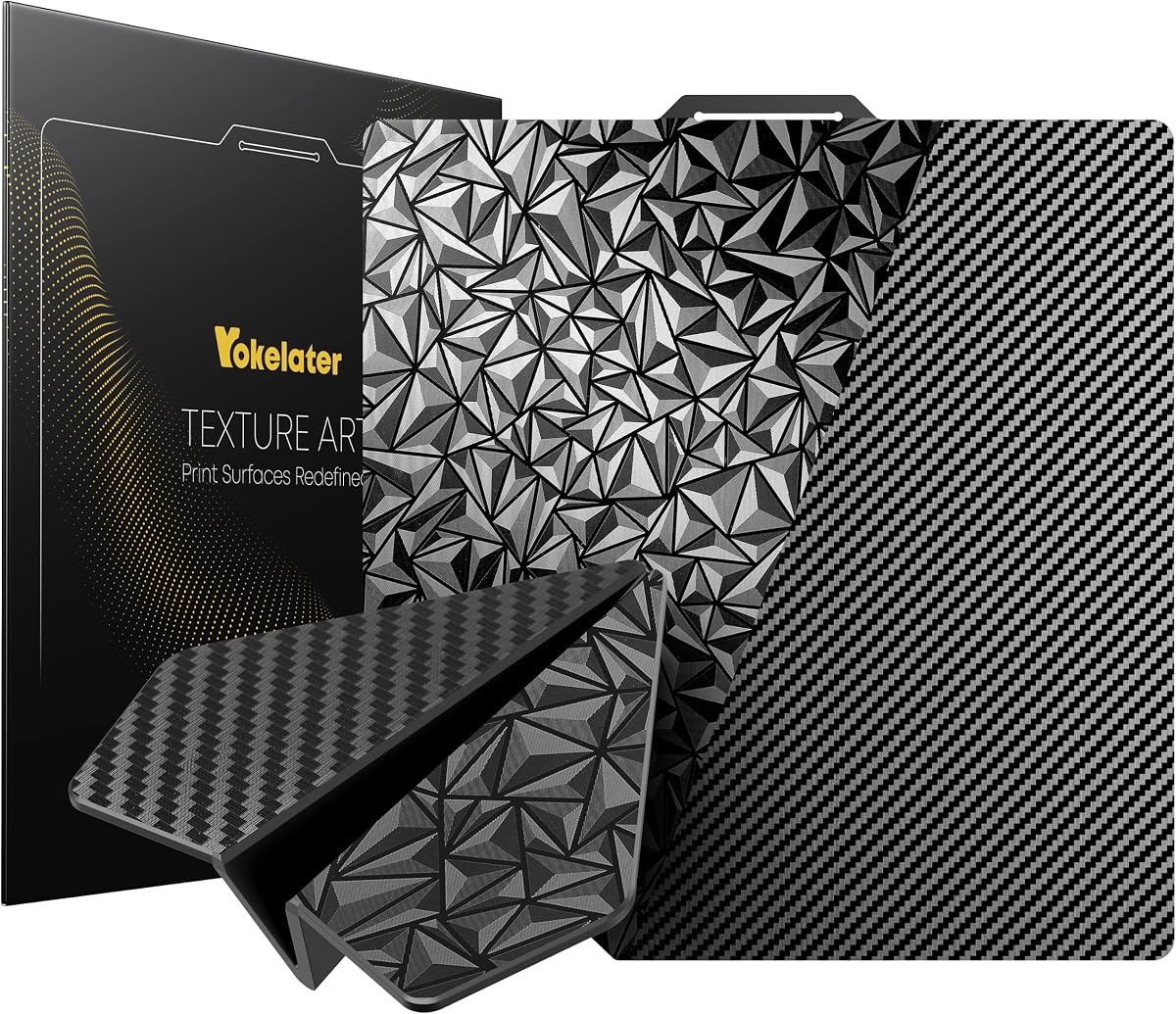
Diamond and carbon fiber textures
High-strength spring steel
150C heat resistance
This comprehensive guide compares the top 10 build plates for 3D printers, evaluating adhesion, durability, and compatibility to help you choose the best
Choosing the right build plate is crucial for successful 3D prints. A quality surface ensures strong adhesion, easy removal, and consistent results across different materials and printer models.
We evaluated ten top-rated build plates based on compatibility, surface texture, durability, and user feedback. Our analysis focuses on real-world performance and ease of use for various printing needs.
Each entry highlights key features, pros, and cons to guide your decision. Remember that prices and availability can change, so always check the latest details before purchasing your next upgrade.
4.5Editor score

4.4Editor score

4.4Editor score
The following comparison highlights key specifications across all ten products to help you quickly identify the best match for your specific printer model and printing requirements.





The BIQU CryoGrip Pro Glacier build plate stands out as a top choice for Bambu Lab users seeking reliable adhesion and durability. With a rating of 4.4 from satisfied customers, this plate delivers consistent performance across PLA, PETG, ABS, and other filaments. Its unique 7-layer cobalt oxide coating ensures long-lasting use without peeling, while the high magnetism substrate keeps prints firmly in place during operation.
We may earn a commission when you buy through this link, at no additional cost to you.
One of its strongest features is the unparalleled first layer adhesion, which significantly reduces print failures caused by warping or detachment. The hollow out handle design allows for immediate removal after printing since the plate barely heats up even at 100 degrees Celsius. This feature saves time and protects your hands from burns, making the workflow smoother and more efficient for frequent users.
While the adhesion is excellent, it is worth noting that it may not match the Frostbite version for PLA and PETG specifically. Additionally, P2S model users need to adjust their printer settings to disable build plate detection to avoid errors. These minor trade-offs are generally acceptable given the overall performance and price point of this versatile upgrade option.
This build plate is ideal for creators who want a reliable, low-maintenance surface for their Bambu Lab printers. It suits both hobbyists and professionals who prioritize quality prints without constant intervention. With its robust construction and smart design features, it offers great value and should be at the top of your list when upgrading your printing setup.
The multi-layer coating resists scratches and corrosion, ensuring the surface remains effective over hundreds of prints without needing frequent replacement.
The insulated handle keeps the touch points cool, allowing you to swap plates quickly without waiting for the entire bed to cool down completely.
We may earn a commission when you buy through this link, at no additional cost to you.
This PEO PET build plate offers an excellent balance of performance and affordability for Bambu Lab printer owners. Rated 4.5 by users, it combines diamond PEO patterns with carbon fiber textures to provide versatile printing options. The spring steel construction ensures the plate remains flat and flexible, allowing for easy removal of printed models without tools or excessive force.
We may earn a commission when you buy through this link, at no additional cost to you.
The dual texture design is a standout feature, enabling different visual finishes on the bottom of your prints. The diamond texture works well with glossy filaments, while the carbon fiber texture pairs nicely with charcoal gray materials. Cleaning the surface before each use is recommended to maintain optimal adhesion, and adjusting bed temperatures based on filament type ensures the best results every time.
Some users note that the X1 series printers require turning off the build plate position detection feature to avoid errors. Additionally, the surface needs to be wiped clean of oils and dust for consistent sticking. These minor setup steps are outweighed by the plate's durability and the variety of aesthetic outcomes it can produce for your projects.
This plate is perfect for budget-conscious makers who do not want to compromise on quality or versatility. It works well with a wide range of filaments including PLA, PETG, and TPU. If you are looking for a reliable upgrade that adds visual variety to your prints without breaking the bank, this option is highly recommended for most standard printing tasks.
Choose between diamond or carbon fiber textures to match the look of your printed parts to your specific design needs or personal style.
Despite its lower price, this plate delivers reliable adhesion and durability comparable to more expensive alternatives in the current market.
We may earn a commission when you buy through this link, at no additional cost to you.
The Upgraded Build Plate with QR Code offers a premium experience for Bambu Lab users with its vibrant sky-blue design and excellent adhesion properties. Rated 4.4 by users, this stainless steel platform provides a dynamic look while delivering professional-grade printing results. The bottom of your prints will exhibit a natural matte finish that enhances the overall visual appeal of the final product without color transfer issues.
We may earn a commission when you buy through this link, at no additional cost to you.
One of its primary strengths is the seamless compatibility across the entire Bambu Lab series, including the X1, A1, and P1 models. The QR code functionality helps verify the build plate type, though users of P2S and X2D models may need to uncheck the identification code option in settings. Cleaning is straightforward with just water or alcohol, making maintenance simple for daily users.
While the sky-blue hue does not transfer to the printed object, this ensures the model retains the natural color of the filament with a nice texture. Some users might prefer a direct color transfer for specific aesthetic projects, but the matte finish is generally well-received. The adjustment for certain models is a minor inconvenience given the overall smooth operation and high build quality.
This plate is ideal for those who value both form and function in their 3D printing setup. It suits makers who want a sleek, durable surface that simplifies the printing process. With its wide temperature compatibility and easy setup, it is a strong choice for upgrading your printer to achieve consistent, high-quality results across various projects.
The bright blue surface adds a modern touch to your printer while the resulting matte finish on prints improves perceived quality.
Cleaning requires minimal effort, ensuring the surface remains effective for many prints without extensive scrubbing or special chemicals.
We may earn a commission when you buy through this link, at no additional cost to you.
This Creality magnetic build surface is a versatile option for users with various FDM printer models. With a rating of 4.4, it offers a straightforward solution for those who struggle with traditional adhesive sheets. The kit includes two surfaces, allowing you to swap them out as needed. The magnetic base ensures the surface stays firmly in place during printing while allowing for quick removal when the print is complete.
We may earn a commission when you buy through this link, at no additional cost to you.
Installation requires attention to the magnetic direction to ensure proper adhesion between layers. Once correctly aligned, the surface provides a reliable hold that prevents prints from moving during operation. The flexible nature of the surface means you can simply bend it to release the print, eliminating the need for scraping tools or excessive force that might damage the model.
Users might need to test different orientations during setup to get the best magnetic fit. Since it is designed for universal use, it lacks the specific optimizations found in model-specific plates like those for Bambu Lab. However, for those with older or mixed printers, this versatility is a significant advantage that broadens its applicability across different machines.
This build surface is ideal for makers who want a flexible, cost-effective solution for multiple printers. It is particularly useful for environments where different machines are used frequently. With its ease of use and included spare surface, it provides good value and a reliable alternative to standard glass or adhesive beds for a wide range of printing needs.
Unlike model-specific plates, this surface adapts to any printer with a similar build volume, offering flexibility across your workshop.
The magnetic flexibility allows you to pop prints off easily without additional tools, preserving the integrity of your printed models.
We may earn a commission when you buy through this link, at no additional cost to you.
This PEI build plate is tailored for Bambu Lab users who need robust adhesion and heat resistance. Rated 4.2 by customers, it features a black textured PEI coating that offers stronger adhesion than gold PEI. The textured side can withstand temperatures up to 300 degrees Celsius, making it suitable for high-temperature filaments like ABS and Nylon without degrading.
We may earn a commission when you buy through this link, at no additional cost to you.
One unique feature is the double-sided design, allowing you to choose between a textured side for strong grip and a smooth side for a polished bottom finish. The smooth side works well for PLA but may require glue for other filaments. It is important to level the plate again when switching sides to maintain print accuracy and first-layer consistency across different projects.
The need to re-level and potential use of glue on the smooth side are trade-offs for the versatility it offers. Proper cleaning with a soft cloth is necessary to maintain performance, and users are advised to wait for cooling before removal. These practices extend the life of the plate and ensure consistent results over many printing cycles.
This plate is best suited for users who print a variety of filaments and value surface options. It serves well for those who need a reliable surface for engineering materials while still having a smooth option for standard prints. With its durable coating and strong adhesion, it provides a practical upgrade for enhancing print quality and reliability on Bambu Lab systems.
Use the textured side for engineering filaments and the smooth side for standard materials to maximize the utility of one plate.
The textured coating remains stable even at high temperatures, ensuring it holds up under demanding printing conditions.
We may earn a commission when you buy through this link, at no additional cost to you.
This Bambu Lab build plate offers a dual texture design that combines PET, PEO, and PEI surfaces on a single unit. Rated 4.3 by users, it provides versatility for different printing needs without requiring multiple plates. The PEI side supports a wide range of filaments with high heat resistance up to 260 degrees Celsius, making it suitable for ABS, ASA, and PC materials.
We may earn a commission when you buy through this link, at no additional cost to you.
The scratch and chemical resistant surface ensures durability even with repeated cleaning and printing cycles. Flexibility is a key feature here, as the spring steel core allows for easy model removal by bending the plate gently after cooling. This reduces the risk of damaging the model and minimizes the need for scrapers during the post-processing phase of your prints.
Managing multiple surfaces means you may need to adjust settings when switching sides, but the flexibility to choose the best surface for each print is valuable. Some filaments require specific bed temperatures depending on which surface you use, so referencing the provided guidelines is helpful. This adaptability is a strong point for makers who work with diverse materials.
Ideal for users who want variety in one package, this plate simplifies the decision-making process for different projects. It fits seamlessly into the Bambu ecosystem and supports both standard and advanced filaments. With its robust construction and user-friendly design, it is a practical choice for anyone looking to expand their printing capabilities with fewer upgrades.
The combination of PEI and other textures ensures you have a suitable surface for everything from PLA to PC materials.
High resistance to wear and chemicals ensures the plate maintains its properties even after prolonged use and cleaning.
We may earn a commission when you buy through this link, at no additional cost to you.
This PEI magnetic build plate is specifically designed for Creality Ender 3 series printers. With an impressive rating of 4.7, it is highly regarded by users for its ease of use and strong adhesion. The powder-coated PEI surface ensures that prints stick well without the need for glue or tape, while the strong magnetic base keeps the plate in place during operation.
We may earn a commission when you buy through this link, at no additional cost to you.
The spring steel construction allows for easy removal by bending the plate slightly once the print has cooled. This flexible mechanism eliminates the struggle often associated with traditional beds and helps prevent damage to both the print and the bed surface. It is a popular choice for those who want to upgrade from a standard glass or adhesive bed for a smoother experience.
The 235x235mm size matches standard Ender 3 build volumes but may not fit other printers. Cleaning the surface with alcohol before use can maintain optimal adhesion over time. While it is a specialized upgrade, the high satisfaction rate among Ender 3 owners makes it a reliable option for improving print quality and convenience on these specific machines.
This build plate is perfect for Creality users looking for a reliable, hassle-free upgrade. It simplifies the removal process and eliminates messy adhesives. With its proven track record and positive feedback, it stands out as a solid choice for anyone wanting to enhance their printing setup on the popular Ender 3 series.
Tailored for Ender 3 models, this plate ensures a perfect fit without modification to your existing printer setup.
Prints stick directly to the PEI surface, removing the need for messy glues or sprays during the setup process.
We may earn a commission when you buy through this link, at no additional cost to you.
This Comgrow PEI sheet offers high-quality performance for Ender 3 and other compatible printers. Rated 4.6 by users, it features a high flatness spring steel construction that ensures prints adhere firmly during operation. The textured surface provides strong adhesion for a wide range of filaments, including PLA, ABS, and TPU, without requiring additional adhesives for most materials.
We may earn a commission when you buy through this link, at no additional cost to you.
Installation is facilitated by positioning holes and handles, making it simple to align the sheet correctly on the bed. The strong magnetic paste retains magnetism even at high temperatures, ensuring stability throughout the print. This design detail helps avoid shifting issues that can ruin a print halfway through, adding reliability to your workflow.
While the smooth side of the plate may need glue for some filaments, the textured side handles most materials well. Users should ensure the bed is leveled properly after installation to maintain first-layer quality. These minor considerations are balanced by the plate's durability and broad compatibility with various printer models beyond just Ender 3.
This sheet is ideal for users seeking a reliable, long-lasting surface for their 3D printer. It supports high-temperature prints and offers a textured finish that simplifies post-processing. With its thoughtful design and strong performance, it is a practical upgrade for improving print quality and reducing common issues like warping or poor adhesion.
The built-in holes and handles make it easy to install the plate correctly, saving time and reducing setup errors.
The magnetic paste maintains strong adhesion even under heat cycles, ensuring the plate stays secure during long prints.
We may earn a commission when you buy through this link, at no additional cost to you.
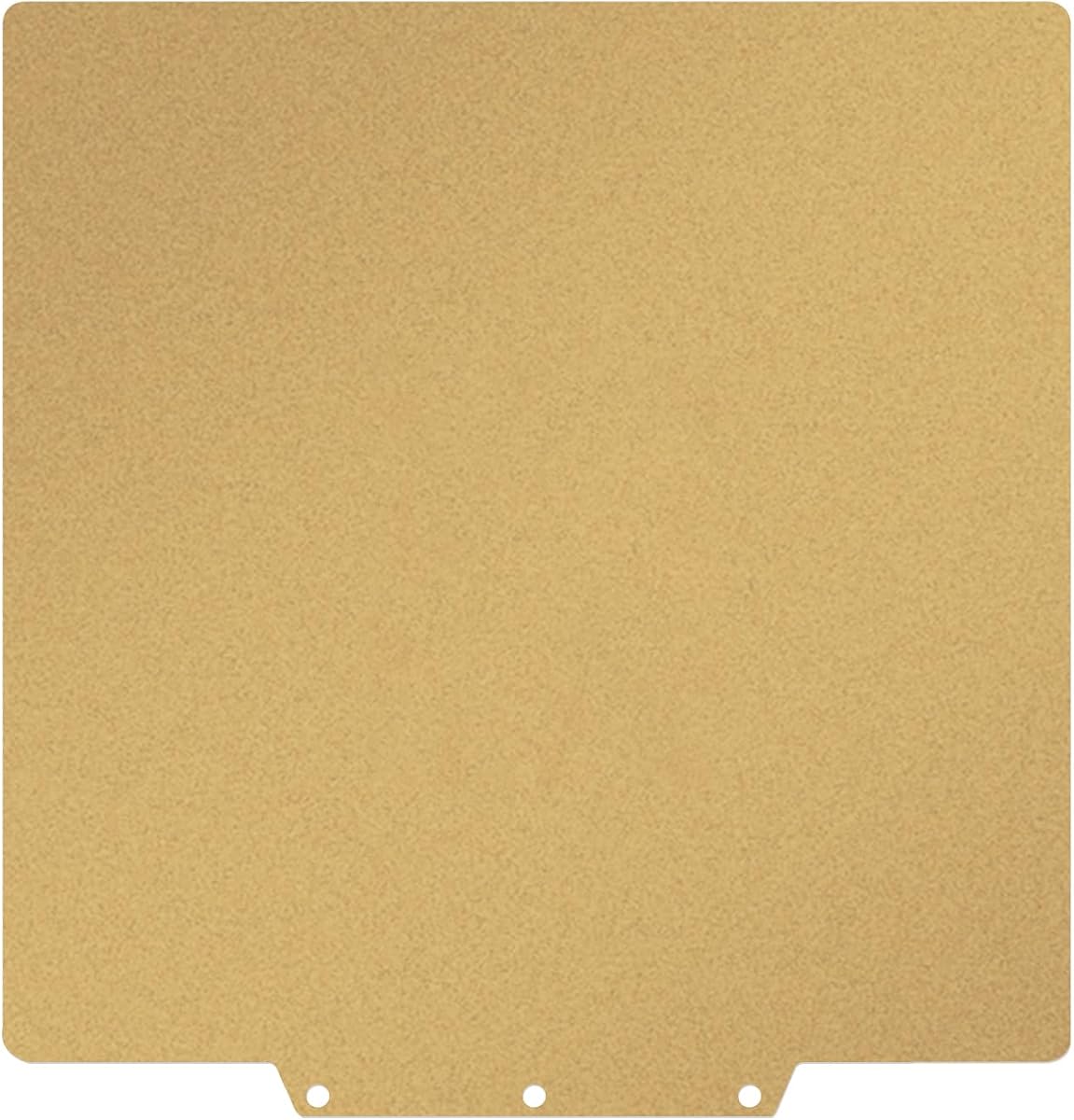
The Gold PEI Build Plate offers excellent versatility with its double-sided frosted PEI design. With a strong rating of 4.7, it is known for reducing warping and providing reliable adhesion across various filaments. The 235x235mm size fits many standard printers, including Adventurer and Ender models, making it a flexible choice for different setups.
We may earn a commission when you buy through this link, at no additional cost to you.
Both sides of the plate feature a frosted PEI coating, which simplifies decision-making when changing materials. The plate is resistant to temperatures up to 300 degrees Celsius, allowing for high-temperature engineering filaments like Nylon and PC. The flexible spring steel allows for easy removal once the print cools, eliminating the need for scraping tools.
While it is a universal design, it works well with a broad spectrum of machines from Kobra to Neptune. Users should clean the surface to maintain adhesion quality over time. The dual-sided nature means you can swap sides to refresh the texture without needing a replacement, which adds long-term value to your printing setup.
This build plate is ideal for makers who want a dependable, all-purpose surface for their 3D printer. It supports both standard and advanced filaments while offering an easy removal experience. With its high temperature resistance and durable construction, it is a solid choice for anyone looking to improve print success rates and consistency.
The double-sided design extends the life of the plate by allowing you to use the other side when one gets worn.
From basic PLA to engineering PC, this plate supports a wide range of filaments, making it suitable for varied projects.
We may earn a commission when you buy through this link, at no additional cost to you.
This BIQU CryoGrip Pro Glacier build plate is designed for users of Adventurer and other compatible printers. Rated 4.5, it offers revolutionary adhesion with a polymer material that works well at lower temperatures. This is particularly beneficial for PLA and PETG, helping to avoid glue and warping issues that are common with traditional plates.
We may earn a commission when you buy through this link, at no additional cost to you.
The honeycomb handle design ensures that the area you touch remains cool even when the bed is heated to 100 degrees Celsius. This allows for immediate removal of prints without waiting for the plate to cool down. The self-recovering coating means a simple wipe with soap or alcohol can restore adhesion, keeping maintenance simple and efficient.
While it performs better than PEI for engineering materials, it does not quite match the Frostbite version for PLA specifically. The 235x235mm size may not fit larger build volumes, so checking your printer is essential. These minor constraints are well-balanced by the ease of use and strong adhesion it provides for most standard printing needs.
This build plate is ideal for makers who value quick workflows and easy maintenance. It simplifies the printing process and reduces the need for extra tools or adhesives. With its robust coating and smart handle design, it offers a practical upgrade for enhancing your printing experience and reducing common frustrations with print removal.
The unique polymer allows for successful prints at lower temperatures, reducing energy use and risk of deformation.
The insulated handle keeps your hands safe from burns while allowing you to remove prints immediately after printing.
We may earn a commission when you buy through this link, at no additional cost to you.
Selecting the right build plate involves considering several factors that affect print quality, adhesion, and compatibility. Here is what you should look for to ensure you make the best choice for your setup.
Ensure the build plate dimensions match your printer's bed size. Many plates are designed for specific models like Ender 3 or Bambu Lab, so verify the manufacturer's compatibility list before purchasing.
Check the size and mounting features to confirm the plate fits your printer securely without requiring modification or additional brackets.
Different coatings like PEI, glass, or polymer offer unique benefits. PEI is popular for strong adhesion and heat resistance, while glass provides a smooth finish. Consider which material suits your typical filament choices best.
Look for durable coatings that resist peeling and scratching to extend the lifespan of the plate and maintain consistent performance over time.
Strong adhesion is critical for preventing warping and print failures. Some plates come with textured surfaces that enhance grip, while others may require additional adhesives for certain filaments.
Review user feedback on adhesion performance to ensure the plate will work well with the filaments you plan to use most often.
A good build plate should allow for easy removal of prints without damaging them or the surface. Flexible magnetic plates are popular because they can be bent to release the print effortlessly.
Consider plates that do not require scraping tools to remove models, as this reduces the risk of accidental damage to the print or bed.
If you plan to print with high-temperature materials like ABS or Nylon, ensure the build plate can withstand the required bed temperatures without degrading.
Check the maximum temperature rating of the plate to ensure it aligns with your printing needs and prevents warping or melting during use.
Some plates require frequent cleaning or special treatments to maintain adhesion, while others are low maintenance. Choose one that fits your willingness to perform regular upkeep.
Plates that can be cleaned with simple water or alcohol wipes are generally preferred for convenience and long-term reliability.
Features like integrated handles, alignment markers, or dual-sided surfaces can improve the overall printing experience. These features may offer added convenience or versatility.
Consider how these features might impact your workflow and whether they are worth the potential extra cost or setup time.
Build plates vary widely in price. Balance the cost against the features offered to ensure you get good value for your investment without overspending on unnecessary extras.
Higher-priced plates often come with better durability and performance, so consider long-term savings from fewer replacements when making your decision.
Before installing your build plate, clean the surface of your printer's bed to remove any dust or residue. If the plate has a magnetic base, align it carefully to ensure a secure fit that will not shift during printing.
Clean the build plate before each print using is or alcohol to remove oils and dust that can affect adhesion. For textured surfaces, avoid harsh chemicals that might damage the coating over time.
After printing, allow the bed to cool if the plate requires it for easy removal. Bend flexible magnetic plates gently to release the print rather than pulling forcefully, which can damage the surface or model.
Poor adhesion is often due to a dirty surface or incorrect bed temperature. Clean the plate thoroughly with alcohol and ensure your bed is heated to the recommended temperature for your filament. If issues persist, check your nozzle height.
Yes, replacing the build plate can change the distance between the nozzle and the bed. Always run a leveling procedure after installation to ensure consistent first-layer adhesion and prevent print failures.
It is best to clean the build plate before every print to maintain optimal adhesion. Regular cleaning prevents oils and dust from building up on the surface.
Yes, you can use glue sticks with PEI plates for filaments that do not adhere well on their own. However, textured PEI surfaces often eliminate the need for glue for standard materials like PLA.
Smooth PEI provides a polished bottom finish for prints but may have lower adhesion. Textured PEI offers stronger grip but leaves a pattern on the bottom of the print.
If prints are too hard to remove, the bed temperature might be too high or the nozzle too close. Try lowering the bed temperature or adjusting your Z-offset slightly.
Check the product description for compatibility with your specific printer model. Ensure the dimensions match your bed size and that mounting points align if your printer requires screws or clips.
Some flexible magnetic sheets can be cut to size, but it is safer to choose a pre-cut plate designed for your printer to avoid damaging the magnetic layer or coating.
We have highlighted the top ten build plates for 3D printers based on performance, compatibility, and user feedback. Whether you need a versatile dual-surface option or a specialized upgrade for your printer model, there is something here for every maker.
Prioritize adhesion and ease of removal when choosing a build plate. These factors directly impact your printing workflow and the quality of your final prints, making them more important than minor cosmetic features.
Prices and availability change frequently, so verify the latest details before purchasing. With the right build plate, you can significantly improve your print success rate and reduce frustration during your 3D printing projects.